


Medical sodium hyaluronate gel helps with knee pain. It is used for people with knee osteoarthritis. Oral painkillers can also help with pain. But they only work for a short time. More than 365 million people have knee osteoarthritis. The best treatment depends on what causes the pain. It also depends on how bad the pain is. People want better ways to treat knee pain.

Key Takeaways
Medical sodium hyaluronate gel helps knee pain for a longer time. It can last up to six months. Oral painkillers help for a short time only.
Picking the best treatment depends on your age and health. It also depends on how bad your osteoarthritis is. You should always ask your doctor for advice that fits you.
Changing your lifestyle can help your knees feel better. Keeping a healthy weight is important. Regular exercise can also lower pain and help your knees.
Quick Answer: Medical Sodium Hyaluronate Gel vs. Oral Painkillers
Main Differences for Knee Relief
Medical sodium hyaluronate gel and oral painkillers both help knee osteoarthritis. They work in different ways. Here are some main differences:
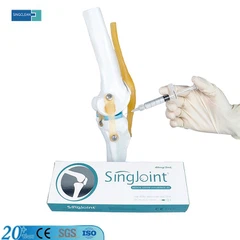
Medical sodium hyaluronate gel is put right into the knee. It works like a cushion and helps the knee move better. This can make walking hurt less.
Oral painkillers, like NSAIDs, go all over the body. They stop pain messages and help with swelling by changing how the body reacts.
Oral hyaluronan can help the gut make more chemicals that fight swelling. This might help lower pain.
Oral painkillers start working fast, sometimes in just a few hours. But their effect does not last long, so you need to take them again.
Medical sodium hyaluronate gel takes longer to help. Most people feel better after about five weeks. The relief can last up to six months, which is much longer than oral painkillers.
Factors Influencing Treatment Choice
Picking the best treatment depends on many things. Doctors look at age, health, and how bad the osteoarthritis is. The table below shows some important points:
| Patient Factor | Influence on Treatment Choice |
|---|---|
| Age greater than 60 years | Older people often do better with injections like hyaluronic acid. |
| Comorbidities | People with stomach problems may do better with injections, since oral painkillers can upset the stomach. |
| Radiologically mild to moderate disease | People with less severe osteoarthritis often get better results from injections. |
| Lower baseline functional capacity | People who have trouble moving may get more help from hyaluronic acid injections. |
What Is Medical Sodium Hyaluronate Gel?
How It Works for Knee Osteoarthritis
Medical sodium hyaluronate gel is a treatment for knee osteoarthritis. The gel has hyaluronic acid, which is found in healthy joints. When doctors inject the gel into the knee, it acts like a cushion. It helps the joint move without rubbing too much. Hyaluronic acid injections do a few important things:
They absorb shocks to protect the knee from pressure.
They make the joint slippery so it moves easily.
They can lower swelling, especially if the hyaluronic acid is heavier.
They help keep the cartilage safe and support the joint.
The weight of the hyaluronic acid in the gel changes how well it works. If the gel is thicker, it stays in the knee longer. This means you might not need as many injections.
Benefits and Administration
Doctors use medical sodium hyaluronate gel for viscosupplementation. This means the gel adds more hyaluronic acid to the joint. The gel is put right into the knee with a shot. Quickclean is a top product that uses very good hyaluronic acid. Its weight is between 1,100,000 and 2,100,000 Daltons. The concentration is 10mg/ml or 12mg/ml. The table below shows how Quickclean is different from other products:
| Product Name | Source | Molecular Weight (kDa) | Concentration (mg/mL) | Injection Regimen |
|---|---|---|---|---|
| Quickclean | Bio-fermentation | 1,100–2,100 | 10 or 12 | 1–4 injections |
| Hyalgan | Avian | 500–730 | 10 | 3–5 injections |
| Supartz | Avian | 620–1,170 | 10 | 5 injections |
Most people can get hyaluronic acid injections safely. Side effects are usually mild and go away soon. Doctors give the shot in their office. This treatment is used when pain pills or physical therapy do not help enough.
Oral Painkillers for Knee Pain
Types and Mechanisms
Doctors usually tell people to try oral painkillers first for knee pain. These medicines help in different ways to make pain less. The table below lists the main types and how they work in the body:
| Type | Mechanism of Action |
|---|---|
| Acetaminophen | Works mostly in the brain, does not stop swelling. |
| NSAIDs | Block COX enzymes to lower swelling and pain, good for swelling. |
| Opioids | Turn on opioid receptors in nerves to stop pain signals. |
Acetaminophen can help with light joint pain but does not stop swelling. NSAIDs like ibuprofen and naproxen help with both pain and swelling. Opioids are not used much because they can be addictive and have other bad effects.
Common Uses and Limitations
Oral painkillers are often used for knee osteoarthritis. Many people use NSAIDs to help with pain and move better. But these medicines have some big limits:
NSAIDs can hurt the stomach and cause bleeding. Doctors might give another medicine to keep the stomach safe.
Using NSAIDs can raise the chance of heart problems, especially if you take a lot.
NSAIDs can damage the kidneys and make the body hold onto water.
Older people and those with other health problems need to be careful with these drugs.
Some people should never use NSAIDs, like those with kidney or liver problems, heart disease, or stomach ulcers.
Doctors say to use the smallest dose for the shortest time to avoid side effects.
People who take blood thinners or are older need to be watched more closely.
Comparing Effectiveness for Knee Osteoarthritis
Pain Relief Duration
Doctors want to know how long each treatment helps with pain and function. Medical sodium hyaluronate gel works inside the knee. It can give pain relief that lasts for months. Many patients notice improvement in pain after a few weeks. The effect can last up to six months. This means people may need fewer treatments each year. Oral painkillers work faster. They can help with pain and function in a few hours. The relief does not last long. People often need to take these medicines every day. Some need them more than once a day.
Medical sodium hyaluronate gel gives longer pain reduction. It also helps with function for a longer time. Oral painkillers give short-term improvement in pain and function. They do not last as long as the gel. Many patients like the longer effect of the gel. They do not want to take pills every day. Doctors see better improvement in pain and function with the gel for people who want less medicine.
Clinical Outcomes
Researchers study how well each treatment works for knee osteoarthritis. They look at pain reduction, improvement in function, and overall outcome. Clinical trials compare the efficacy of medical sodium hyaluronate gel and oral painkillers. The table below shows how much pain relief people get from different gel regimens:
| Treatment Regimen | Pain Relief Estimate | Standard Error | 95% Confidence Interval |
|---|---|---|---|
| 3-week Hyalgan | -31.4 | 5.46 | -45.5 to -17.4 |
| 5-week Hyalgan | -32.2 | 5.25 | -45.6 to -18.7 |
| 3-week Other HA | -29.4 | 4.98 | -42.2 to -16.6 |
These numbers show strong efficacy for medical sodium hyaluronate gel. People see a big improvement in pain and function. The confidence intervals show that the results are reliable. Doctors see consistent improvement in pain and function with these gels. Oral painkillers also help with pain and function. The improvement is not as strong or as long-lasting as the gel.
Medical sodium hyaluronate gel gives better pain reduction and improvement in function for many patients. The efficacy of the gel is higher in clinical trials. People report more improvement in pain and function after using the gel. The outcome for daily life is better. They can walk, climb stairs, and move with less pain. Oral painkillers give short-term improvement in pain and function. The efficacy is lower for long-term outcome.
Doctors choose the treatment based on the outcome they want. If they want strong pain reduction and improvement in function, they may pick the gel. If they want quick but short-term improvement in pain and function, they may use oral painkillers. The efficacy of each option depends on the patient's needs.
Who Should Consider Each Option?
Mild vs. Severe Knee Osteoarthritis
Doctors check how bad the osteoarthritis is before picking a treatment. People with mild or moderate knee osteoarthritis often do well with medical sodium hyaluronate gel. This gel can help with pain for up to six months. It also lets people use fewer pain medicines. For mild cases, acetaminophen is usually the first choice because it is easy and safe. NSAIDs help with both mild and severe cases, but doctors watch for side effects.
| Findings | Details |
|---|---|
| Treatment Efficacy | Intra-articular hyaluronic acid works well for mild to moderate knee osteoarthritis. It gives strong pain relief and helps people need fewer pain pills. |
| Pain Relief Duration | Pain relief can last for six months after the shot. |
| Comparison with Analgesics | People use less pain medicine and anti-inflammatories after getting the gel. |
Patient Scenarios
Doctors also think about each person's needs and health history. Some people do not get better with non-drug treatments or simple pain pills. For these patients, sodium hyaluronate gel gives another way to help knee pain. The table below shows when one treatment might be better than another:
| Scenario | Preferred Treatment | Reason for Preference |
|---|---|---|
| Patients wanting to delay surgery | Treatment that slows down the disease | These patients want to wait before having surgery to avoid more costs and risks. |
| Patients worried about side effects | Treatment with fewer risks | These patients want treatments with less chance of serious side effects, especially heart and kidney problems. |
| Patients wanting long-lasting relief | Treatment that lasts longer | These patients like treatments that keep pain away for more time. |
Doctors may suggest sodium hyaluronate gel for people who do not get better with other treatments. This gel works in a different way than oral painkillers. It can help people who want to avoid surgery or take less medicine. Every patient should talk to their doctor to find the best plan for their osteoarthritis.
FAQ
What is medical sodium hyaluronate gel used for?
Doctors give this gel to people with knee osteoarthritis. It helps lower pain and makes moving the knee easier.
How long does pain relief from the gel last?
The pain relief from medical sodium hyaluronate gel can last six months. Some people might need another shot after that time.
Can I walk after getting a hyaluronate gel injection?
Most people are able to walk soon after the shot. Doctors say not to do hard activities for about two days.