


As demand for non-surgical osteoarthritis (OA) treatments continues to rise, orthopedic gel injections-particularly hyaluronic acid (HA) viscosupplementation-have become a core offering in pain management and orthopedic clinics.
However, not all gel injections deliver the same clinical outcomes. For procurement managers, distributors, and healthcare providers, selecting the right product requires a structured evaluation of clinical performance, safety, and commercial viability.
This guide provides a comprehensive, EEAT-aligned framework to help clinics make informed decisions.
What Are Orthopedic Gel Injections?
Orthopedic gel injections refer to intra-articular injections of sodium hyaluronate, designed to:
Restore synovial fluid viscosity
Improve joint lubrication and shock absorption
Reduce inflammation and pain
Enhance joint mobility
They are most commonly used for knee osteoarthritis, especially in mild to moderate stages.
Why Product Selection Matters
The effectiveness of viscosupplementation depends heavily on formulation quality and technical parameters.
Poor product selection can lead to:
Shorter duration of pain relief
Lower patient satisfaction
Reduced repeat treatment rates
Conversely, high-quality HA gels provide:
Longer-lasting efficacy (≥6 months)
Better patient compliance
Stronger clinical reputation for the clinic
Clinical data shows that advanced HA formulations can significantly improve joint function and delay surgical intervention.
Key Factors to Consider When Choosing Orthopedic Gel Injections
1. Molecular Weight of Hyaluronic Acid
Why it matters:
Molecular weight directly affects viscosity, residence time, and therapeutic effect.
Low MW → faster degradation, shorter duration
High MW (≥1.0–1.8M Daltons) →
Better viscoelasticity
Longer intra-articular retention
Extended pain relief
Recommendation: Choose high molecular weight formulations for superior clinical outcomes.
2. HA Concentration
Higher concentration = stronger therapeutic effect
Creates a more stable and viscous joint environment
Enhances lubrication and shock absorption
Improves durability of treatment
Clinical materials indicate that high-concentration HA formulations provide longer-lasting pain relief and improved joint function.
3. Injection Regimen Flexibility
Different patient populations require different treatment approaches:
Multi-Injection Regimen (3–4 injections)
Lower concentration (e.g., 10–12 mg/ml)
Gradual symptom improvement
Suitable for cost-sensitive markets
Single-Injection Regimen
High concentration (e.g., 20 mg/ml)
Faster onset of relief
Higher patient compliance
Clinics should ideally offer both options to cover diverse patient needs.
4. Duration of Efficacy
One of the most critical purchasing criteria:
Standard products: 3–4 months
Advanced formulations: ≥6 months
Longer duration:
Reduces treatment frequency
Improves patient satisfaction
Increases clinic efficiency
High-viscosity HA gels with optimized molecular weight degrade more slowly, extending effectiveness.
5. Biocompatibility and Safety Profile
Safety is essential for both clinical outcomes and regulatory compliance.
Look for products that are:
Non-animal sourced (bio-fermentation)
Non-immunogenic
Biodegradable
Additional indicators:
Osmolality close to physiological levels
Minimal post-injection discomfort
These features ensure better patient tolerance and reduced adverse reactions.
6. Manufacturing Quality and Standards
Clinics should prioritize manufacturers with:
Cleanroom production (e.g., Class 10,000)
Strict sterilization processes
Comprehensive quality control systems
Production workflow should include:
Raw material validation
Sterilization and filling control
Final product inspection
These factors directly impact product consistency and clinical reliability.
7. Clinical Evidence and Mechanism of Action
A strong product should be backed by clear scientific rationale and clinical validation:
Restores synovial fluid properties
Stimulates endogenous HA production
Reduces inflammatory mediators
Protects cartilage from degradation
This dual mechanical + biological mechanism is key to long-term OA management.
8. Commercial Considerations for Clinics
Beyond clinical performance, consider:
Patient Demand
Aging population
Increasing OA prevalence
Repeat Treatment Cycle
Typically every 6–12 months
Creates predictable revenue streams
Product Positioning
Premium (long-lasting, high concentration)
Standard (cost-effective, multi-injection)
A balanced portfolio enables clinics to serve multiple market segments.
Common Mistakes to Avoid
Choosing based on price alone instead of clinical performance
Ignoring molecular weight and viscosity
Offering only one injection regimen
Overlooking manufacturer quality standards
Using products without sufficient clinical support
These mistakes can negatively impact treatment outcomes and clinic reputation.
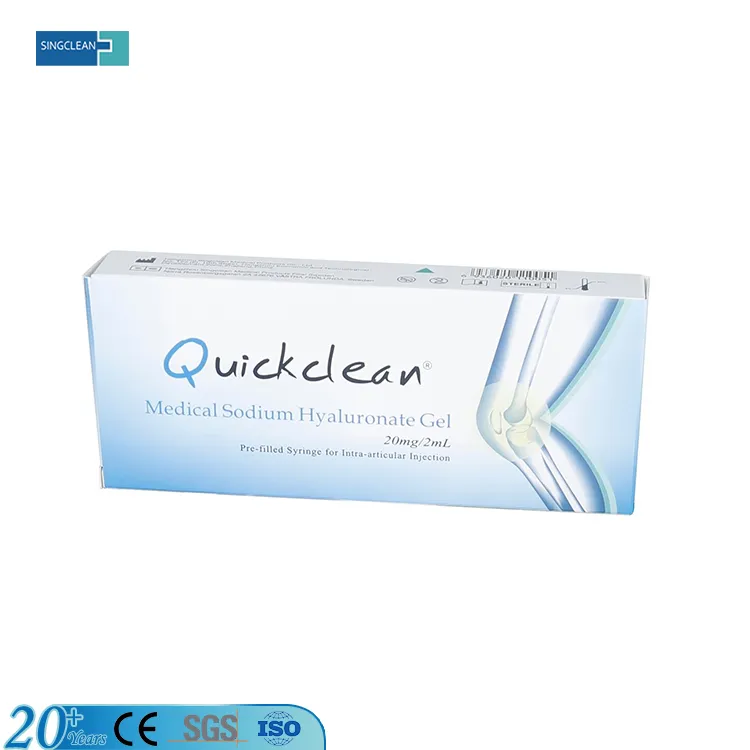
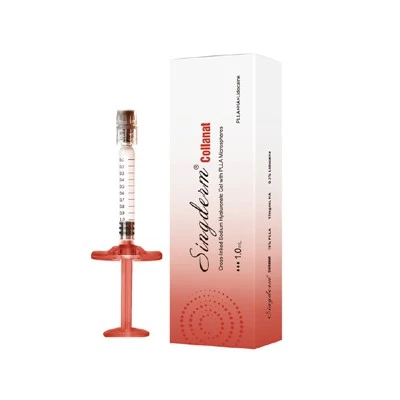
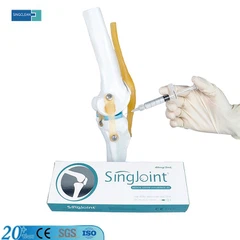
Quickclean medical sodium hyaluronate gel
For clinics and distributors seeking a reliable, high-performance solution for knee osteoarthritis management, our Medical Sodium Hyaluronate Gel for Knee stands out as a clinically driven choice. Formulated with high-concentration, high–molecular weight hyaluronic acid, it effectively restores synovial fluid viscoelasticity, delivering enhanced lubrication, shock absorption, and sustained pain relief for up to 6 months or more.
Strategic Recommendation for Clinics
To maximize both clinical and commercial success:
Select high molecular weight, high concentration HA products
Offer flexible treatment regimens
Prioritize ≥6 months efficacy products
Partner with reliable, certified manufacturers
Educate patients on long-term treatment value
Conclusion
Choosing the right orthopedic gel injections is not just a procurement decision-it is a clinical strategy that directly impacts patient outcomes and business performance.
High-quality hyaluronic acid injections deliver:
Long-lasting pain relief
Improved joint mobility
Delayed need for surgery
For clinics and distributors, the right product selection ensures:
Higher patient satisfaction
Stronger brand reputation
Sustainable revenue growth
FAQ
1. What is the best type of orthopedic gel injection?
High molecular weight, high-concentration hyaluronic acid injections offer the best performance.
2. How long should gel injections last?
Top-tier products provide 6 months or longer of relief.
3. Should clinics offer single or multiple injections?
Ideally both, to meet different patient needs.
4. Are all HA injections the same?
No, they differ in molecular weight, concentration, and manufacturing quality.
5. What should clinics prioritize when selecting a product?
Clinical efficacy, safety, duration, and manufacturer reliability.