


How Gel Knee Injection Work for Joint Pain Relief
Knee osteoarthritis (OA) is a progressive degenerative joint disease that significantly impacts mobility and quality of life. As demand grows for non-surgical, clinically effective treatments, gel knee injections-also known as hyaluronic acid (HA) injections-have become a preferred solution among orthopedic specialists and pain management clinics.
This article explains how gel knee injections work, their clinical value, and why they represent a strong opportunity for medical distributors and healthcare providers.
What Are Gel Knee Injections?
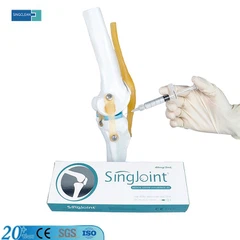
Gel knee injections refer to intra-articular injections of hyaluronic acid, a naturally occurring substance in synovial fluid. These injections are designed to restore the function of joint fluid that has deteriorated due to osteoarthritis.
For a detailed product reference, see:
https://www.singclean.org/medical-sodium-hyaluronate-gel/viscosupplement-injection-for-orthopedics/hyaluronic-acid-for-knees.html
Why Do Patients Need Gel Knee Injections?
In a healthy knee joint:
Synovial fluid is rich in hyaluronic acid
It provides lubrication, cushioning, and shock absorption
However, in osteoarthritis:
HA concentration and molecular weight decrease
Joint fluid loses viscosity
Cartilage wears down, leading to pain and stiffness
OA is a progressive condition, and risk factors include:
Age (45+)
Obesity
Joint injuries
Repetitive stress
Genetic and metabolic conditions
How Gel Knee Injections Work (Mechanism of Action)
Gel knee injections provide both mechanical and biological therapeutic effects:
1. Restore Joint Lubrication
Injected HA improves the viscoelastic properties of synovial fluid:
Reduces friction between cartilage surfaces
Enhances smooth joint movement
Acts as a shock absorber under load
2. Protect and Repair Cartilage
Exogenous HA:
Stimulates chondrocyte activity
Promotes endogenous HA synthesis
Inhibits cartilage degradation
3. Anti-Inflammatory Effect
Reduces pro-inflammatory mediators
Decreases matrix metalloproteinase activity
Slows OA progression
4. Synovial Environment Optimization
Forms a protective barrier in the joint cavity
Buffers mechanical stress
Improves overall joint homeostasis
Clinical Benefits of Gel Knee Injections
For patients and clinicians, gel knee injections deliver:
Significant pain relief
Improved joint mobility and flexibility
Reduced reliance on NSAIDs or corticosteroids
Delayed need for surgical intervention (e.g., total knee replacement)
Clinical data suggests that high-quality HA formulations can provide long-lasting relief for 6 months or more.


Product Insights: Sodium Hyaluronate Gel for Knee
High-performance products like Singclean's medical sodium hyaluronate gel are engineered to maximize therapeutic outcomes.
Key Technical Parameters
Non-animal sourced HA (bio-fermentation)
High molecular weight (≥1.0–1.8M Daltons)
Strong viscoelasticity
Biodegradable and highly biocompatible
Flexible Treatment Options
Multi-injection regimen (10–12 mg/ml, 3–4 injections)
Single-injection regimen (20 mg/ml, high concentration)
Performance Advantages
Higher HA concentration → better joint lubrication
High viscosity → slower degradation
Longer duration → up to 6 months efficacy
Improved patient compliance
Why Gel Knee Injections Are Gaining Market Traction
From a B2B and market perspective, viscosupplementation is expanding rapidly due to:
1. Growing Osteoarthritis Population
Aging demographics globally are increasing demand for joint therapies.
2. Shift Toward Non-Surgical Treatments
Patients and clinicians prefer minimally invasive options before surgery.
3. Strong Repeat Purchase Model
Treatment cycles every 6–12 months
High patient retention
4. Regional Growth Trends
Asia-Pacific & North America: Dominant markets
Europe: Fastest growth rate
Safety and Patient Experience
Gel knee injections are widely considered safe when administered by trained professionals.
Advantages:
Localized treatment (minimal systemic effects)
Excellent biocompatibility (non-immunogenic)
Quick in-office procedure
Possible Side Effects:
Mild swelling or discomfort at injection site
Temporary joint stiffness
Gel Knee Injection vs Other Treatments
| Treatment Type | Duration | Mechanism | Limitations |
|---|---|---|---|
| NSAIDs | Short-term | Pain relief | GI/renal risks |
| Corticosteroids | Weeks | Anti-inflammatory | Cartilage damage with repeated use |
| Gel Knee Injection | 4–6 months | Lubrication + cartilage protection | Gradual onset |
| Surgery (TKR) | Long-term | Structural replacement | High cost, recovery time |
Conclusion
Gel knee injections represent a scientifically validated, clinically effective solution for managing knee osteoarthritis. By restoring synovial fluid function and supporting joint health, they:
Relieve pain
Improve mobility
Delay surgical intervention
For distributors and healthcare providers, high-quality sodium hyaluronate gel products offer a scalable opportunity in a fast-growing orthopedic segment.
FAQ
1. How quickly do gel knee injections work?
Relief typically begins within a few weeks, with peak effect after multiple injections.
2. How long do results last?
Most patients experience relief for up to 6 months.
3. Are gel knee injections better than steroids?
They provide longer-lasting structural support, while steroids offer short-term inflammation relief.
4. Who is the ideal candidate?
Patients with mild to moderate knee osteoarthritis.
5. Can injections be repeated?
Yes, treatments can be repeated every 6–12 months depending on patient response.