


What is Sodium Hyaluronate?
Sodium Hyaluronate is the sodium salt form of hyaluronic acid, a naturally occurring substance found in the human body. Known for its exceptional moisture-retaining properties, it is widely used in skincare and cosmetic products, as well as in medical and pharmaceutical applications.

Applications in Skin Care
When utilized in skincare, Sodium Hyaluronate serves as a powerful hydrating agent. It draws moisture from the surrounding environment into the skin, leaving it looking plump, smooth, and deeply hydrated. Its ability to hold up to 1,000 times its weight in water makes it a highly effective ingredient for improving skin elasticity and texture.
Sodium Hyaluronate is commonly incorporated into serums, creams, lotions, and facial masks due to its remarkable anti-aging properties. It helps reduce the appearance of fine lines and wrinkles, making the skin appear more youthful and radiant. Compared to hyaluronic acid, its parent compound, Sodium Hyaluronate is more stable and penetrates the skin more effectively, enhancing its efficacy.
In skincare formulations, Sodium Hyaluronate offers several benefits, including:
Hydration: Attracting and retaining moisture within the skin.
Plumping Effect: Improving skin volume and reducing the visibility of fine lines.
Enhanced Elasticity: Strengthening the skin's resilience and texture.
Soothing and Calming: Reducing irritation and redness for sensitive skin.
Thanks to its versatile properties, Sodium Hyaluronate is a key ingredient in many skincare products, ranging from lightweight serums to rich moisturizers.
Role in Plastic Surgery
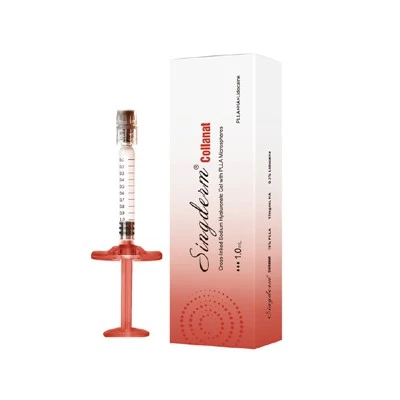
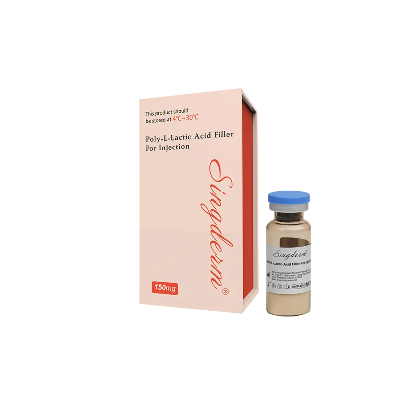
Sodium Hyaluronate is also extensively used in aesthetic medicine, particularly in dermal fillers for facial rejuvenation procedures. It plays a pivotal role in enhancing facial volume, reducing wrinkles, and providing lip augmentation. As the primary component of dermal fillers, it helps to:
Add volume to targeted areas.
Minimize fine lines and wrinkles.
Improve facial contours.
However, it is worth noting that Sodium Hyaluronate is biodegradable. Over time, typically within six months, it is naturally broken down and absorbed by the body. Despite its temporary effects, it remains one of the most sought-after substances in plastic surgery due to its safety and effectiveness.
Applications in Medical Treatments
Beyond cosmetic and skincare uses, Sodium Hyaluronate has significant applications in medical treatments. Its uses include:
Joint Injections for Osteoarthritis
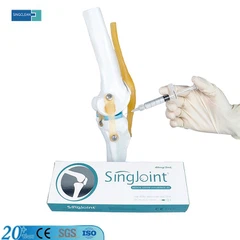
Sodium Hyaluronate is often administered as an intra-articular injection to treat osteoarthritis. By enhancing chondrocyte hyaluronic acid synthesis, it helps prevent cartilage degradation and promotes regeneration. As a key component of synovial fluid, it also improves joint lubrication, reduces pain, and restores mobility.
Ophthalmic Surgery
In ophthalmology, Sodium Hyaluronate is a critical ingredient in ophthalmic viscosurgical devices (OVDs). Its high viscosity and molecular weight help maintain the anterior chamber of the eye during procedures such as phacoemulsification and intraocular lens (IOL) insertion or removal. This ensures surgical precision and safety.
Anti-Adhesion Gel
Sodium Hyaluronate is also used as an anti-adhesion agent in surgical settings. When applied to areas prone to adhesion formation, it reduces the likelihood of post-operative adhesions by acting as a physical barrier.


Conclusion
Sodium Hyaluronate is a versatile and highly beneficial compound with applications spanning skincare, aesthetic medicine, and medical treatments. Its ability to deeply hydrate, rejuvenate, and repair makes it an indispensable ingredient in various industries. Whether used to improve skin texture, restore facial volume, or enhance medical procedures, Sodium Hyaluronate continues to be a vital tool for promoting health, beauty, and well-being.