


You can feel better from joint pain with sodium hyaluronate gel. This treatment helps your joints move easier. It lowers swelling and keeps cartilage safe. Studies show it pads your joint and lessens pain for months. Quickclean gives a clean and safe solution. Healthcare workers always give it to keep you safe.

Key Takeaways
Sodium hyaluronate gel helps with joint pain. It gives lubrication and cushioning. This makes moving easier. It also lowers discomfort.
This gel can lower inflammation in joints. It can also reduce swelling. This helps people move better. It can also make pain less over time.
Many people feel much less pain after treatment. Their joints work better for months. This makes it a good choice for people with osteoarthritis.
What Is Sodium Hyaluronate Gel
Role in Joint Health
Your joints need a special fluid to help them move. This fluid is called synovial fluid and has hyaluronic acid in it. Sodium hyaluronate gel is a medical type of this acid. Doctors use it for people who have joint pain, like osteoarthritis. When your joints lose hyaluronic acid, they can get stiff and hurt. Sodium hyaluronate gel helps bring back the right amount. It holds water, so the joint fluid gets thick and slippery. This makes less rubbing and helps your joints move with less pain.
Here is a quick look at how sodium hyaluronate helps your joints:
|
Function |
Benefit for Joints |
|---|---|
|
Lubrication |
Makes moving easier, less rubbing |
|
Shock absorption |
Keeps cartilage safe from bumps |
|
Inflammation control |
Less swelling and pain |
|
Joint fluid balance |
Joints stay healthy and bendy |
Key Properties and Composition
Sodium hyaluronate gel is special because of its features. Quickclean uses high-quality sodium hyaluronate with a weight between 1,100,000 and 2,100,000 Dalton. This helps the gel stay in your joint longer and work well. The gel is clear, clean, and comes in prefilled syringes. This makes it safe and simple for doctors to use.
The gel has salts that match your body's fluids. This helps stop your joints from getting irritated. The gel has a lot of hyaluronic acid, which makes it stretchy and strong. This lets it soak up shocks and protect your joint. Studies show sodium hyaluronate gel can help pain for up to 26 weeks and is safe to use again.
How Sodium Hyaluronate Gel Relieves Pain
Lubrication and Cushioning
Joints need to move smoothly to stay healthy. Osteoarthritis makes joint fluid thin. This causes bones to rub and hurt. Sodium hyaluronate gel brings back the slippery feeling. It acts like a cushion. Bones can glide without grinding.
Here is how the main parts help your joints:
|
Component |
Function |
Impact on Joint Health |
|---|---|---|
|
Hyaluronic Acid |
Makes synovial fluid thicker |
Needed for smooth movement and shock absorption |
|
Synovial Fluid |
Thick gel that cushions and lubricates |
Lowers friction and keeps joint tissues safe |
|
Articular Cartilage |
Has hyaluronic acid around chondrocytes |
Helps joints stay strong and work well |
Sodium hyaluronate is a clean form of hyaluronic acid. Doctors inject it into your joint for better lubrication. The fluid gets thicker and absorbs shocks. You move with less pain and your cartilage stays safe.
Reducing Inflammation
Swelling in joints makes moving hard. Sodium hyaluronate gel helps calm swelling. The gel works with your body to lower inflammation. You feel less pain and move easier.
Doctors see sodium hyaluronate gel can:
Lower swelling in joints
Help your body make new joint fluid
Keep cartilage safe from harm
You may feel less stiff and more comfortable after treatment. Many people say they move better and hurt less after a few weeks.
Sodium Hyaluronate Gel Mechanism
Sodium hyaluronate gel does more than cushion joints. It helps your body heal and stay strong. When you get an injection, the gel helps your synovial membrane. This part starts making new hyaluronic acid. Joint fluid gets thicker and healthier.
Here are the main ways sodium hyaluronate gel helps:
Works as a shock absorber and lubricant
Helps your body make synovial fluid
Supports strong cartilage by helping proteoglycans and glycosaminoglycans
Lessens pain and helps joints move better
Quickclean boosts this process. It uses high molecular weight sodium hyaluronate. Your joint stays healthy longer. Many people feel less pain and move better after treatment. Studies show people using sodium hyaluronate gel have better pain and movement scores. You may walk faster and feel better doing daily things. This treatment can also delay knee replacement surgery.
Treatment Process and Effectiveness
Administration and Patient Experience
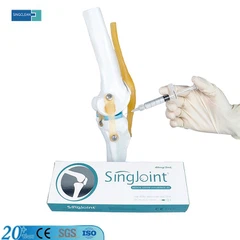
Doctors give sodium hyaluronate gel injections in a clinic. You will lie on your back with your knee straight or sit with your knee bent. The doctor cleans your knee with disinfectant. You relax your leg muscles. Sometimes, you get a small shot to numb the area. If your knee has extra fluid, the doctor may remove it first. Using ultrasound, the doctor guides the needle into your joint. The gel goes in with a sterile syringe. After the injection, the doctor cleans and covers the spot. You move your knee to help spread the gel.
After the injection, you may feel some pain or swelling. Some people report sharp pain or discomfort for a few days. Most side effects go away quickly. You should rest your knee for 24 to 48 hours. Use a cold pack if you feel sore. Keep the area dry and avoid heavy exercise for a few days.
Effectiveness and Safety
You can count on sodium hyaluronate gel to help joint pain. It also helps you move easier. Experts say it is safe and works for lots of people. Quickclean is special because it is safe and fits well with your body.

|
Key Factor |
Benefit |
|---|---|
|
Biocompatibility |
Works well with your body |
|
Low side effects |
Keeps you safe |

FAQ
Q: What happens after the injections?
A: You can resume normal day-to-day activities immediately after the injections, but you should avoid any excessive activities for about 48 hours.
Q: What are the adverse reactions of Quickclean® injections?
A: Mild transient local pain, swelling, arthralgia and joint stiffness at the injection site are reported after intra-articular injections. These symptoms are generally mild and transient. They usually resolve within 2 to 7 days without medical intervention. If symptoms are persistent, please consult with your treatment doctor.
Q: How quickly will Quickclean® work?
A: You may not notice any benefits immediately after the first injection but you should start to feel less pain and stiffness over the next few weeks.