





You benefit from absorbable adhesion barrier technology in surgery because it reduces risks after procedures. When you use these barriers, you lower the chance of adhesion-related complications, including bowel obstructions and chronic pain. You also see better recovery and fewer costs tied to follow-up treatments. Choosing the right product and understanding its safety profile matter for optimal patient outcomes.
|
Evidence Type |
Description |
|---|---|
|
Risk Reduction |
Absorbable adhesion barriers reduce the risk of adhesion formation. |
|
Recovery Improvement |
Proper implementation enhances recovery experiences for patients. |
|
Cost Reduction |
The use of these barriers can decrease healthcare costs. |
Key Takeaways
Absorbable adhesion barriers significantly reduce the risk of complications like bowel obstructions and chronic pain after surgery.
Choosing the right type of barrier-film, powder, or gel-can enhance recovery and improve patient outcomes.
Using these barriers can lower long-term healthcare costs by preventing complications that require additional treatments.
Monitoring for safety and understanding the specific efficacy of each barrier type is crucial for optimal patient care.
Stay informed about new innovations in adhesion barrier technology to provide the best options for your patients.
Absorbable Adhesion Barrier Effectiveness
Clinical Evidence Overview
You rely on absorbable adhesion barrier technology to improve outcomes in surgery. Clinical studies show that bioresorbable materials play a crucial role in reducing adhesions after procedures. Researchers have tested these barriers in both animal models and human trials, focusing on their efficacy in minimizing postoperative complications.
You encounter several types of absorbable adhesion barriers in modern surgery:
Film-type barriers, such as those made from carboxymethylcellulose and polylactic acid, cover large areas but may be difficult to apply during minimally invasive procedures.
Powder-type barriers, often composed of starch-based polymers, offer versatility for laparoscopic surgery but sometimes provide inconsistent coverage.
Gel-type barriers, including hyaluronan gel application products, adapt well to tissue surfaces and demonstrate high efficacy in reducing adhesions and supporting healing.
You see that hyaluronan gel application, especially those containing hyaluronic acid, has gained attention for its adaptability and effectiveness. The effect of hyaluronic acid on tissue healing and adhesion prevention has been confirmed in multiple studies. Bioresorbable barriers, which your body naturally absorbs over time, help minimize the risk of postoperative complications without requiring removal.
Prevention of Adhesions: Mechanism and Importance
How Adhesion Barriers Work
You face the challenge of adhesions after surgery. These bands of scar tissue can form between organs and tissues, leading to pain and complications. Absorbable adhesion barrier technology gives you a tool for prevention. When you place the barrier during surgery, it acts as a physical shield. This shield separates tissues and organs, stopping them from sticking together while healing takes place.
You see several types of barriers in practice. Some come as sheets, gels, or powders. Each type covers the surgical area and prevents direct contact between surfaces. The barrier remains in place for a short period, usually days to weeks. Your body then absorbs the material, leaving no trace behind. This process supports the prevention of adhesions without the need for removal.
Tip: You improve outcomes by choosing the right barrier for each procedure. Gel and powder forms work well in minimally invasive surgeries, while sheets suit open procedures.
Why Adhesion Prevention Matters
You know that prevention of adhesions is critical for patient safety and recovery. Adhesions can cause bowel obstruction, infertility, and chronic pain. You reduce these risks by using absorbable adhesion barrier products during surgery.
The impact of prevention becomes clear when you look at clinical outcomes. Patients who receive a barrier have fewer complications. The table below shows how absorbable adhesion barrier use lowers the incidence of bowel obstruction compared to no barrier:
|
Group |
Incidence of Bowel Obstruction (%) |
Cumulative Incidence After 37 Months (%) |
|---|---|---|
|
Barrier Group |
6.1 |
6.1 |
|
No Barrier Group |
10.9 |
10.9 |
You see that prevention of adhesions leads to better long-term results. Fewer patients experience bowel obstruction, which means less need for additional surgeries and hospital stays. You also help patients avoid chronic pain and improve their quality of life.
You play a key role in prevention by selecting the best barrier and applying it correctly. Prevention of adhesions not only protects your patients but also reduces healthcare costs and improves surgical success.
Absorbable Adhesion Barrier Brands
Leading Brands Overview
You encounter a wide range of absorbable adhesion barrier products in the surgical market. Leading manufacturers include:
Baxter
Johnson & Johnson (Ethicon)
Integra LifeSciences
Medtronic
Getinge
Haohai Biological
Yishengtang
Singclean
FzioMed
MAST Biosurgery
Anika Therapeutics
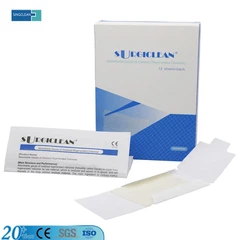
These companies offer barrier agents in adhesion prevention for many surgical specialties. Singclean, for example, has expanded its presence with bioresorbable solutions that target both open and minimally invasive procedures. You see these brands in hospitals worldwide, each providing unique features and formulations.
Adhesions in Surgical Scenarios
Abdominopelvic Surgery
You encounter adhesions frequently in abdominopelvic surgery. These bands of scar tissue can form between organs and tissues, often leading to postoperative complications such as bowel obstruction or chronic pain. When you use absorbable adhesion barriers, you reduce the risk of these issues. You see the greatest benefit in procedures involving the intestines, where adhesions can block normal movement and function. Surgeons rely on barriers to separate tissues during healing, which lowers the chance of postoperative adhesions and improves recovery.
Gynecological Procedures
You face unique challenges in gynecological surgery. Adhesions can affect fertility, cause pelvic pain, and complicate future operations. You use absorbable adhesion barriers to minimize these risks. The effectiveness of these products varies, especially in procedures like myomectomy or endometriosis treatment. Review the findings below to understand the current evidence:
|
Source |
Findings |
|---|---|
|
Cochrane Library |
No studies reported live birth rate or pelvic pain as primary outcomes; focused on adhesion formation extent. |
|
Society of Obstetricians and Gynaecologists of Canada |
Insufficient evidence on long-term outcomes; oxidized regenerated cellulose may reduce pelvic adhesion formation. |
|
Robertson 2010 |
Chemically modified sodium hyaluronate/carboxymethylcellulose is effective in preventing adhesion formation, especially after myomectomies, but results should be interpreted cautiously. |
You notice that while some barriers show promise in reducing pelvic adhesions, long-term outcomes like pain relief or improved fertility remain unclear. You should select products based on the specific needs of your patients and the type of gynecological surgery performed.
Rare Complications
Rare complications can occur with absorbable adhesion barriers, even when you follow best practices. Some patients develop paradoxical inflammatory reactions or sterile intra-abdominal fluid collections. Peritoneal inflammation has also been documented in the literature. The table below summarizes these rare but serious complications:
|
Complication Type |
Reference |
|---|---|
|
Paradoxical inflammatory reactions |
South Med J. 2005;98(10):1039–1041 |
|
Sterile intra-abdominal fluid collections |
Am Surg. 2008;74(11):1107–1110 |
|
Peritoneal inflammation |
Dis Colon Rectum. 1999;42(12):1639–1643 |
You rarely see these complications, but you must remain vigilant, especially in high-risk postoperative cases.
Safety by Brand
You find that safety varies by brand and product type. Products containing hyaluronic acid, such as certain gels, show a strong safety record in most postoperative settings. However, you should note that Intergel, a hyaluronic-based barrier, has been linked to peritonitis and other morbidities. Seprafilm sometimes increases the risk of fistulas or anastomotic leaks, especially in bowel surgery. Interceed offers a favorable safety profile, but you must avoid using it in the presence of active bleeding, as this can reduce effectiveness and increase risk. Always review the latest clinical data and manufacturer guidelines to ensure the highest safety standards for your patients. Your careful selection and monitoring help prevent adhesions and minimize postoperative complications.
Future Innovations
You see exciting developments in absorbable adhesion barrier technology. Researchers focus on new biomaterials that improve safety and effectiveness. You notice advancements in delivery systems that make application easier and less invasive. Some companies combine adhesion barriers with other surgical products to enhance performance. The table below highlights these trends:
|
Type of Advancement |
Description |
|---|---|
|
Biomaterial advancements |
Novel biocompatible and biodegradable polymers for improved efficacy and reduced side effects. |
|
Improved delivery systems |
User-friendly and less invasive application methods. |
|
Combination products |
Integration with other surgical products to boost overall results. |
You stay informed about these innovations to offer your patients the best possible care. You adapt your practice as new products and techniques become available.
You see that absorbable adhesion barriers improve postoperative outcomes by lowering the risk of complications such as small bowel obstruction. You benefit from their use, especially when you select the right product for each postoperative scenario. You must monitor for safety and consider cost, as these factors impact both immediate and long-term postoperative care. You should stay updated on new research, since more studies are needed to clarify effectiveness in gynecologic and cesarean postoperative cases.
More research is needed on:
Effectiveness in different surgeries
Prevention of adhesions in gynecologic and cesarean postoperative settings
Current evidence shows that you can reduce postoperative small bowel obstruction by using these barriers, though results vary by product. You play a key role in advancing postoperative care by choosing safe, effective solutions and supporting ongoing innovation.
FAQ
What are absorbable adhesion barriers used for?
You use absorbable adhesion barriers to prevent scar tissue from forming between organs after surgery. These barriers help you reduce complications like pain, bowel obstruction, and infertility.
Are absorbable adhesion barriers safe for most patients?
You find that most patients tolerate absorbable adhesion barriers well. You should monitor for rare complications, such as inflammation or infection. Always review the safety profile of each product before use.
How long do absorbable adhesion barriers remain in the body?
You see that most absorbable adhesion barriers dissolve within days to weeks. Your body naturally absorbs the material, so you do not need a second procedure for removal.