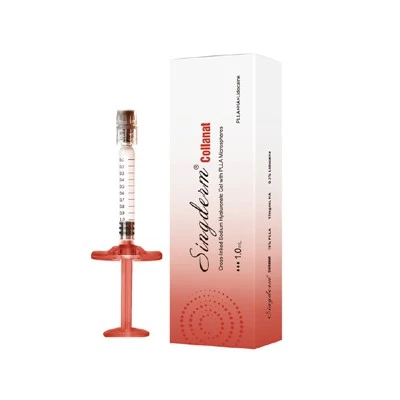

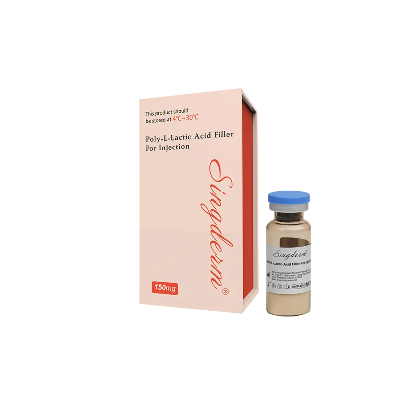


Absorbable adhesion barrier products help keep surgery safe for people. Surgeons use anti-adhesion barriers to lower the risk of scar tissue. Biocompatible, absorbable materials help the body heal. Patients feel less pain and get better faster. These new medical tools help caregivers and patients feel sure.
Key Takeaways
Absorbable adhesion barriers lower the chance of scar tissue after surgery. This means there are fewer problems and recovery is smoother. These barriers help stop pain by keeping tissues from sticking together. This lets patients heal with less pain. They also help people get back to normal life faster. This makes recovery easier for patients.
What is an absorbable adhesion barrier?
Definition and surgical role
An absorbable adhesion barrier is a medical product used in surgery. Surgeons put it in the body during operations. Its main job is to keep tissues and organs from sticking together. This sticking is called adhesion. Adhesion can cause pain and problems after surgery. The barrier helps keep tissues apart. This makes recovery smoother and safer.
Surgeons use these barriers in many kinds of surgeries. Some common surgeries are abdominal, gynecological, cardiac, neurosurgical, and orthopedic. The table below shows how anti-adhesion barriers help in different surgeries:
| Type of Surgery | Purpose | Benefit |
|---|---|---|
| Abdominal Surgery | Stops bowel and organ adhesions | Fewer repeat surgeries, shorter hospital stay |
| Gynecological Surgery | Protects fertility and lowers scar tissue | Better pregnancy rates |
| Cardiac Surgery | Lowers scar tissue around the heart | Easier future surgeries |
How absorbable surgical adhesion barriers work
Anti-adhesion barriers use materials that are safe for the body. Some common materials are gelatin, alginate, and hyaluronic acid. Carboxymethyl cellulose is also used because it breaks down safely. Most anti-adhesion barriers are nontoxic and biodegradable. They are easy for surgeons to use.
During surgery, the absorbable adhesion barrier forms a soft layer between tissues. This layer keeps tissues moist and apart. It helps stop adhesion from forming. The body absorbs the barrier over time. No extra surgery is needed to remove it. Anti-adhesion barriers help healing and lower the risk of problems after surgery.

Recovery benefits of anti-adhesion barriers
Fewer post-surgical complications
Anti-adhesion barriers help lower problems after surgery. Surgeons use them to stop tissues from sticking together. This keeps patients safer after an operation. When tissues do not stick, there is less pain and fewer issues. Problems like bowel blockage or trouble having babies can happen if tissues stick. Patients with anti-adhesion barriers have fewer of these problems. The gel makes a soft layer between organs and tissues. This layer keeps them apart while healing. It also keeps things moist and slippery. This helps tissues heal without sticking together.
Note: When there are fewer adhesions, people need fewer surgeries. Patients do not have to go back to the hospital as much. They get better faster and have an easier recovery.
Doctors like anti-adhesion barriers because they are safe for the body. They use materials like hyaluronic acid that do not hurt people. These materials do not make the body react badly. The gel goes away on its own over time. The body does not need help to get rid of it. This makes healing safer and easier to predict.
Less pain and discomfort
Many patients worry about pain after surgery. Adhesions can cause sharp or long-lasting pain. Anti-adhesion barriers help stop this pain. They keep tissues from sticking together. The gel works like a cushion. It lowers rubbing and stops irritation. Patients feel less pain while they heal.
A table below shows how anti-adhesion barriers help with pain:
| Benefit | How It Works |
|---|---|
| Less tissue friction | Lubrication keeps tissues moving smoothly |
| Reduced swelling | Moisture preservation limits inflammation |
| Fewer nerve entrapments | Mechanical isolation prevents nerve pinching |
Doctors see that patients need less medicine for pain. They can move around more easily. They get back to normal life sooner. This makes recovery feel better for everyone.
Faster healing and return to normal
Healing quickly is important. Anti-adhesion barriers help wounds heal faster. The gel keeps the area moist and tissues apart. This lets cells grow and wounds close without problems. It lowers the chance of adhesions and helps the body heal naturally.
Patients with anti-adhesion barriers often leave the hospital sooner. They have fewer problems and get back to work or school faster. The gel's features help tissues heal well and quickly.
Patients experience:
Shorter hospital stays
Fewer follow-up visits
Quicker return to normal routines
Surgeons use anti-adhesion barriers to help patients recover better. These products make healing safer, less painful, and easier for everyone.
How absorbable surgical adhesion barrier keeps surgery safe
Easy application for surgeons
Surgeons like products that make surgery easier and safer. Anti-adhesion barriers are simple to use at the surgical site. Many come as gels or sheets that are ready to use. Surgeons can put the barrier on quickly and spread it evenly. This lets them cover the area without extra steps. Each barrier is used once, which keeps things clean and lowers infection risk.
Surgeons can trust anti-adhesion barriers in their work. These products do not need special tools or extra lessons. This helps the team focus on caring for patients and saves time during surgery.
No removal needed-fully absorbed
Anti-adhesion barriers work with the body's healing process. After they are put on, the barrier makes a safe layer at the surgical site. This layer stops tissues from sticking together and lowers adhesions after surgery. The body slowly absorbs the barrier. No second surgery is needed to take it out.
How long it takes to absorb depends on the barrier type. The table below shows how fast common barriers go away:
| Adhesion Barrier Type | Absorption Time |
|---|---|
| Oxidized Regenerated Cellulose | Absorbed in 2 weeks |
| Sodium Hyaluronate with Carboxymethylcellulose | Absorbed in 7 days, excreted in 28 days |
This natural process lowers problems at the surgical site. Patients do not have to worry about leftover pieces. The body breaks down the barrier into safe parts. This is good for the environment too. Absorbable gels break down and do not make extra waste. Hospitals can help the planet by using these products.
Lower risk of repeat procedures
Anti-adhesion barriers help lower the chance of more surgeries. After surgery, adhesions can cause pain and other problems. These issues sometimes mean more operations are needed. Using a surgical adhesion barrier helps stop these problems.
Studies show these barriers lower adhesions after surgery. For example, research found fewer adhesions after cesarean deliveries when barriers were used. This means patients are less likely to need another surgery.
Anti-adhesion barriers also help doctors and nurses work better. The benefits include:
Fewer problems after surgery.
Less need for more surgeries, which helps patients heal.
Using barriers makes care after surgery easier and faster for the team.
New anti-adhesion barriers are changing how surgery is done. Companies are making better products to protect patients from adhesions. These new tools help surgeons do safer surgeries and help patients heal faster.
Tip: Using anti-adhesion barriers at the surgical site protects patients and helps hospitals work better. Fewer problems mean less follow-up care and more help for other patients.
Anti-adhesion barriers keep surgery safe by being easy to use, helping the body heal, and lowering the need for more surgeries. These products help patients and healthcare teams get better results after surgery.
Absorbable adhesion barriers use safe ingredients. They help patients feel less pain. They lower problems and scar tissue after surgery. The table below shows results over time:
New technology is making these barriers better. More people want safer surgeries now. Patients and doctors will see faster healing and safer operations.
FAQ
What is an absorbable adhesion barrier made of?
Most absorbable adhesion barriers use safe materials like hyaluronic acid. These materials do not harm the body. They are not toxic and break down on their own.
How long does it take for the barrier to absorb?
Absorption time is different for each product. Many gels, such as Singclean Anti-adhesion Barrier Gel, go away in a few weeks. The body removes all of the material by itself. No extra surgery is needed.
Is the anti-adhesion barrier safe for everyone?
Doctors say these barriers are safe for most people. Allergic reactions almost never happen. Always talk to your doctor before having surgery.