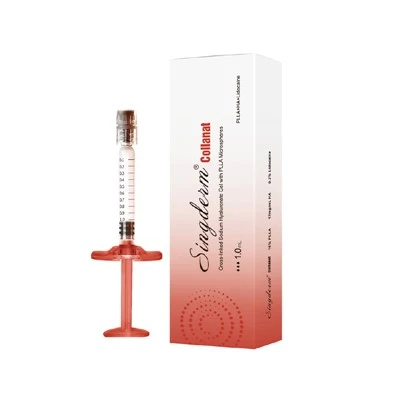
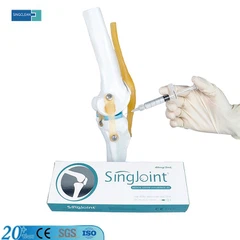

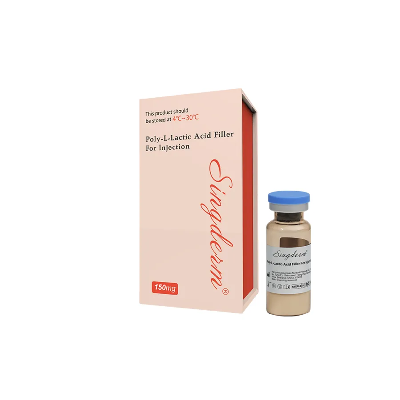


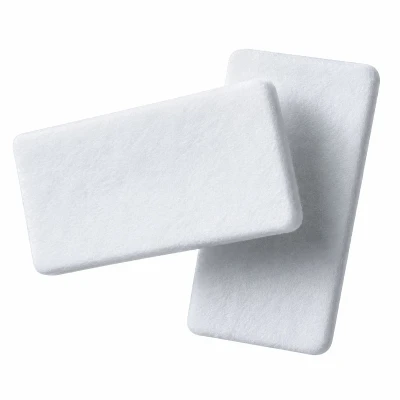
You can see film, powder, and gel adhesion barrier products. These help stop tissues from sticking after surgery. Film types are used the most, especially in open surgeries. Gels are good for less invasive surgeries. Picking the right product makes surgery safer. It also lowers the chance of problems. Choosing carefully helps patients heal better. It can also help with long-term results.

What Are Adhesion Barrier Products?
Purpose and Function
Surgeons use adhesion barrier products during surgery. These products stop tissues and organs from sticking together. If tissues stick, you might feel pain. You could get a blocked bowel. Sometimes, it can cause infertility.
Adhesion barrier products help lower these risks. They make a shield between tissues for a short time. This shield lets your body heal without tissues joining together.
How They Prevent Adhesions
There are three main kinds of adhesion barrier products: films, powders, and gels. Each kind works in its own way to protect you while you heal.
| Type | Mechanism of Action | Advantages | Disadvantages |
|---|---|---|---|
| Film | Makes a wall that keeps tissues apart. | Strong and good for open surgeries. | Hard to use in tight spaces; may not stick if wet. |
| Powder | Spreads over surfaces, even hard-to-reach places. | Easy to use; covers tricky areas. | Might not cover evenly; depends on how you use it. |
| Gel | Flows into spaces and coats tissues well. | Fits any shape; stays put; helps wounds heal. | Needs careful use for best results. |
Each type has good and bad points. Surgeons pick the best one for your surgery and health.
Film-Type Adhesion Barriers
Structure and Materials
Film-type adhesion barriers use special materials. These keep tissues apart after surgery. Some brands are Seprafilm and Interceed. Each film has its own mix of ingredients. This mix makes a thin, bendable shield. Here is a table with the main materials:
| Material | Description |
|---|---|
| Carboxymethylcellulose | A cellulose derivative that helps stop tissues from sticking. |
| Sodium hyaluronate | A natural substance that lowers the risk of adhesions. |
| Oxidized regenerated cellulose | A modified cellulose used to prevent adhesions in surgical areas. |
Application in Surgery
Surgeons put film-type adhesion barriers right on tissues. These tissues might stick together after surgery. Films work best in open surgeries. Surgeons can reach and cover the area easily. In minimally invasive surgery, films are harder to use. Surgeons must be careful when handling them. Sometimes, films break or stick too much. Placing them by hand can make surgery harder. It may also raise the chance of injury.
Benefits and Drawbacks
Film-type adhesion barriers stop tissues from touching each other. This lowers the chance of painful adhesions. It also lowers the need for more surgeries, especially after colorectal procedures. You get strong protection where the film is placed. But these barriers only work if placed in the right spot. They may not cover every risky area. Some adhesions can still happen. Many surgeons do not use films often. This is because of cost and questions about their need in less invasive surgeries.
Powder-Type Adhesion Barriers
Composition and Features
Powder-type adhesion barriers are made from things found in nature. Most powders come from plants, like starch or other polysaccharides. When doctors put the powder on tissues, it mixes with body fluids. This makes a soft gel layer form. The gel acts like a shield and keeps tissues apart. These powders are safe for your body.
Surgical Uses
Doctors use powder-type adhesion barriers a lot in laparoscopic surgeries. Surgeons like these powders because they are simple to use. The powder can reach spots that films or gels cannot cover. If you have surgery with small cuts, the powder spreads over uneven places. This makes it a good choice for tricky areas inside your body.
It is important to know the good and bad sides of powder-type adhesion barriers. Here is a table that compares two common products:
| Effectiveness in Preventing Adhesions | Notes |
|---|---|
| Significant reduction | Effective in preventing adhesion formation. |
| Not statistically significant | Did not show effectiveness in preventing adhesions. |
Powder-type adhesion barriers give you flexible coverage and are easy to use. They work well in hard-to-reach places. Some powders also help control bleeding. But not all powders work the same. You need to pick the right product for your surgery.
Gel-Type Adhesion Barriers
Properties and Ingredients
Gel-type adhesion barriers are a flexible way to protect tissues after surgery. These gels stick well to wet surfaces. They can fit into spaces of any shape. The table below shows how the ingredients help the gel work:
| Key Ingredient | Contribution to Properties |
|---|---|
| Polyethylene oxide | Makes the gel stretchy and thick |
| Carboxymethylcellulose | Helps stop tissues from sticking together after surgery |
These ingredients make the gel smooth and easy to spread. The gel keeps tissues apart while your body heals.
Application Techniques
You must use the right steps to get the best results from gel-type adhesion barriers. Surgeons get the gel ready in a clean place. They use a syringe, spray, or tool to put the gel on the tissues. The gel forms a thin layer that stops tissues from sticking. The gel slowly breaks down and is safe for your body. The table below shows each step:
| Step | Description |
|---|---|
| Preparation | Surgeons pick the right gel for the surgery in a clean area. |
| Application | The gel is spread evenly over the tissues with a syringe, spray, or tool. It is important to put it in the right spot. |
| Barrier Formation | The gel makes a thin shield that keeps tissues apart while healing. |
| Biodegradation | The gel slowly breaks down into safe pieces over days or weeks. |
| Healing | Tissues heal without making unwanted adhesions. This lowers problems and pain. |
| Monitoring | Doctors check after surgery to make sure there are no adhesions and healing is good. |
Advantages and Limitations
Gel-type adhesion barriers have many good points. They give strong protection against adhesions and help you heal better. These gels can lower the need for more surgeries and save money. Some studies say they help with having babies. But results are not always the same in every study. Some research uses only a few people, so results may not fit everyone. The table below shows the main points:
| Advantages | Limitations |
|---|---|
| Good at stopping adhesions | Results are different in some studies |
| May help with having babies | Some studies have only a few people |
| Can save money by lowering repeat surgeries | Some studies have problems with how they are done |
| Can lower healthcare costs | N/A |
Gel-type adhesion barriers keep tissues moist, stick well, and are easy to use. You can count on these gels to help stop unwanted adhesions after surgery.
Advances in Bioactive Adhesion Barriers
Embedded Anti-Adhesion Agents
Some new anti-adhesion barriers have special agents inside. These agents help stop tissues from sticking after surgery. Scientists made core-shell nanofibrous membranes with strong materials and medicine. They use poly(ethylene glycol), PCL, silver nanoparticles, and ibuprofen. This shield fights germs and lowers swelling. Some absorbable films use different polymers. These films act as barriers and break down slowly. You can find natural and synthetic films that are safe for your body. Some films release helpful molecules to make them work better.
Core-shell nanofibrous membranes mix strong materials and medicine for better protection.
Absorbable films use polymers that break down safely and keep tissues apart.
Natural and synthetic films can release special molecules to help healing.
Enhanced Effectiveness
Older barriers do not always stop adhesions well. New anti-adhesion solutions use both physical and chemical ways. This mix gives better results after surgery. When you control how fast medicine comes out, you get stronger protection. Bioabsorbable membranes keep tissues apart while your body heals. You can trust these new products to lower risks and help you heal faster.
Comparing Adhesion Barrier Products
Performance Differences
Film-type, powder-type, and gel-type adhesion barriers work differently. Each type is best for certain surgeries. Scientists have checked how these products help in surgery and healing. The table below shows what makes each product special:
| Feature | Film-Type Barriers | Powder-Type Barriers | Gel-Type Barriers |
|---|---|---|---|
| Main Composition | Carboxymethylcellulose, Polylactic acid, Hyaluronic acid | Starch-based polymers, Oxidized regenerated cellulose | Sodium hyaluronate, Cross-linked hyaluronic acid |
| Form & Application | Thin membrane placed over tissues | Fine powder spread over area | Viscous gel applied evenly |
| Ease of Use | Moderate, may need extra steps | Easy, but depends on technique | Very easy, fits any shape |
| Suitability for Minimally Invasive Surgery | Limited | Good | Excellent |
| Coverage Consistency | May miss uneven areas | Risk of uneven coverage | Uniform coverage |
| Performance in Moist Conditions | May lose adhesion | Depends on moisture | Stays stable and sticks well |
| Degradation & Absorption | Predictable, may detach early | May degrade unevenly | Controlled, high biocompatibility |
| Biocompatibility | Good | Variable | Excellent |
| Surgical Visibility | Opaque or semi-transparent | Opaque | Transparent |
| Clinical Effectiveness | Works well on flat surfaces | Good, but technique-sensitive | Highly effective, better outcomes |
| Best Use Cases | Open abdominal or pelvic surgeries | Laparoscopic or irregular surfaces | Abdominal, pelvic, gynecological, orthopedic surgeries |
| Key Advantages | Strong structure | Flexible application | High adaptability, promotes healing |
| Limitations | Hard to handle, less sticky when wet | Inconsistent coverage | Higher cost |
You get better results when you pick the right product for your surgery. Gel-type barriers often work best, especially for tough cases.
Summary Table of Key Features
Check the table below to compare the main features of each adhesion barrier product. This helps you see which one might be best for you.
| Product Type | Best For | Application Method | Coverage | Cost | Common Complications |
|---|---|---|---|---|---|
| Film | Open abdominal/pelvic surgery | Placed over tissue | May miss uneven areas | Moderate | Leak, abscess, infection |
| Powder | Laparoscopic, irregular surfaces | Sprayed or scattered | Risk of uneven coverage | Lower | Inflammation, wound issues |
| Gel | Abdominal, pelvic, gynecological, orthopedic | Injected or spread | Uniform, fits any shape | Higher | Fever, rare allergic reaction |
Choosing the Right Product
You should think about a few things when picking adhesion barrier products. The right choice can lower pain and help you heal faster. Here are the main things to consider:
| Factor | Influence on Adhesion Development |
|---|---|
| Diameter of the largest myoma | Bigger size means higher risk of new adhesions |
| Number of myomas | More myomas increase the chance of postoperative adhesions |
| Type of adhesion-preventing agent | Some agents work better than others |
Other important points are:
Using a barrier during surgery can lower pain after the operation.
Synthetic gels with dual-polymer technology help stop adhesions.
Cost matters. Bigger packs can make each unit cheaper. Using adhesion barriers in open colorectal surgery saves money by lowering repeat surgeries and time in the operating room.
Your age, health, and past surgeries change your risk. If you had adhesions before, you may need stronger protection.
Doctors suggest using cross-linked hyaluronic acid, gelified starch powder, and bioabsorbable membranes. These work well but are not used enough.
FAQ
What is the main purpose of adhesion barrier products?
Adhesion barrier products keep tissues from sticking after surgery. This helps you heal faster. It also lowers your chance of problems.
Can you use adhesion barriers in all types of surgery?
Not every adhesion barrier works for every surgery. Your doctor picks the best one for your needs. They look at your health and type of surgery.
Are there any side effects from using adhesion barriers?
Most people do not get side effects. Some people may have mild problems like fever or swelling. Always talk to your doctor about any risks.