


Introduction
Dry skin remains one of the most common global skincare concerns, driving continuous demand for hydrating and barrier-supporting formulations. For distributors and private label buyers, selecting the right hyaluronic acid product is essential to meet market expectations.
In this guide, we explore how hyaluronic acid works for dry skin and why Singclean Hyaluric Acid Extract is a competitive option for skincare distribution and OEM opportunities.
What Makes Hyaluronic Acid Solution for Dry Skin?
Hyaluronic acid is a naturally occurring polysaccharide widely present in the skin's extracellular matrix. Its key function is water retention and hydration balance.
Key Functional Properties:
Strong humectant capacity (binds and retains water)
Supports skin moisture equilibrium
Contributes to improved skin smoothness and elasticity appearance
As natural HA levels decline with age and environmental stress, skin becomes more prone to:
Dryness
Rough texture
Fine lines

How Hyaluronic Acid Supports Dry Skin
Modern hyaluronic acid for skin hydration are designed to deliver moisture efficiently while maintaining a lightweight skin feel.
Mechanism of Action (Cosmetic-Compliant Expression):
Forms a moisture-retaining film on the skin surface
Helps reduce transepidermal water loss (TEWL)
Attracts environmental moisture to support hydration

Result:
Skin feels softer and smoother
Appearance of dryness is visibly improved
Why Choose SKformula Hyaluronic Acid Solution for Your Product Portfolio
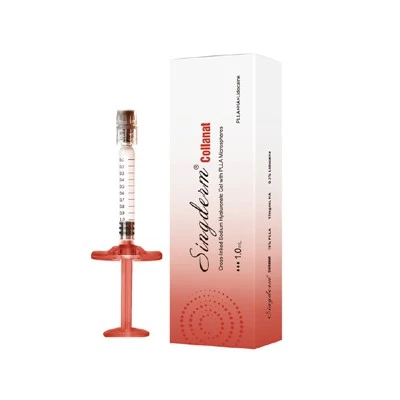
Compared with generic HA products, Hyaclean Hyaluronate Gel is positioned for B2B distribution and private labeling, offering both performance and commercial advantages.
1. Optimized Hydration Performance
High-quality sodium hyaluronate formulation
Suitable for daily hydration and skin conditioning products
Compatible with multiple cosmetic formulations
2. Lightweight & Non-Greasy Texture
Fast absorption profile
Suitable for:
Dry skin
Sensitive skin
Combination skin

3. Versatile Application Scenarios
Distributors can position this product across multiple categories:
Facial serums
Hydrating essences
Post-treatment skincare
Daily moisturizing routines
4. OEM / Private Label Friendly
Stable formulation base
Flexible for custom ingredient additions (vitamins, botanical extracts)
Supports brand differentiation
Strong fit for:
Importers
E-commerce skincare brands
Clinic distribution channels
Hyaluronic Acid Gel vs Traditional Moisturizers
| Feature | HA Gel | Traditional Cream |
|---|---|---|
| Texture | Lightweight | Heavy |
| Hydration mechanism | Humectant-based | Occlusive-based |
| Skin feel | Non-greasy | May feel oily |
| Market trend | High growth | Mature |
Conclusion:
Hyaluronic acid gel products are increasingly preferred in modern skincare markets, especially in hot and humid regions.
Safety and Usage Considerations
Hyaluronic acid is widely used in cosmetic formulations and is generally well tolerated.
Best Practices:
Perform patch testing for sensitive skin users
Avoid application on damaged or inflamed skin
Use as part of a broader skincare routine
This ensures better user experience and reduces return rates for distributors.
Conclusion
Hyaluronic acid remains one of the most in-demand ingredients in global skincare. For distributors, choosing a product that balances performance, flexibility, and scalability is key.
Hyaclean Hyaluronate Gel offers:
Reliable hydration performance
Broad application scenarios
Strong OEM potential