





Abdominal adhesions happen when scar tissue grows between organs. This can happen after an injury or surgery in the abdomen. These adhesions are very common after abdominal surgeries. The table below shows how often adhesions happen with different surgeries. Most adhesions do not cause problems. But some can lead to serious issues in the abdomen.

Key Takeaways
Abdominal adhesions are bands of scar tissue. They can form after surgery or injury. These bands can cause pain in the abdomen. They can also block parts inside your belly.
Preventing adhesions starts with careful surgery. Using small cuts and gentle moves can lower the risk a lot.
If you have bad belly pain or trouble passing gas, get medical help fast. This can stop serious problems from happening.
Abdominal Adhesions Formation and Symptoms
What Are Abdominal Adhesions
Abdominal adhesions are bands of scar tissue inside the belly. These bands can make organs stick together. They often happen after surgery in the abdomen. Adhesions can join loops of intestines or attach organs to the belly wall. Sometimes, adhesions form between the small intestine and other organs. Peritoneal adhesions grow on the lining of the abdomen. Pelvic adhesions can show up in the lower belly. Surgical adhesions are common after abdominal operations. People also call them post-surgical or post-operative adhesions. Most adhesions do not cause trouble, but some can cause pain or blockages.
Adhesions are bands of scar-like tissue.
They often affect the intestines.
They can connect organs or attach to the abdominal wall.
Peritoneal adhesions form on the lining of the abdomen.
Pelvic adhesions develop in the lower belly.
Symptoms of Abdominal Adhesions
Many people with abdominal adhesions do not feel any symptoms. Some people may have mild pain, while others can have serious problems. The symptoms depend on how much the organs are stuck together. Common symptoms include:
Chronic abdominal or pelvic pain
Severe cramping or pain in the belly
Bloating or swelling of the abdomen
Nausea and vomiting
Inability to pass gas or have a bowel movement
The table below shows how symptoms can range from mild to severe:
|
Symptom |
Severity Level |
|---|---|
|
Chronic abdominal pain |
Mild to Severe |
|
Bowel obstruction |
Severe |
|
Nausea and vomiting |
Mild to Severe |
|
Abdominal swelling or bloating |
Mild to Severe |
|
Difficulty passing gas |
Mild to Severe |
|
Infertility |
Severe |
People with bad adhesions may need a doctor to check them. If you have pain, swelling, or trouble passing stool, you should see a doctor. Doctors use exams and imaging tests to find out what is wrong.
Causes and Risk Factors
Adhesions can form for many reasons. The most common reason is surgery in the abdomen. Injury during an operation can cause post-surgical adhesions. Inflammation from diseases like endometriosis or pelvic inflammatory disease can also cause adhesions. Some people get adhesions without surgery because of birth defects or inflammation.
|
Cause of Adhesions |
Description |
|---|---|
|
Abdominal surgery is a main cause, leading to adhesions as part of healing. |
|
|
Inflammation |
Diseases like endometriosis or pelvic inflammatory disease can cause adhesions. |
|
Congenital factors |
Some people get adhesions without surgery due to birth defects or inflammation. |
Some things make adhesions more likely after surgery:
Genetic changes in the interleukin-1 receptor antagonist
Endometriosis
Changes in plasminogen activator inhibitor-1
Diabetes mellitus
Metabolic syndrome
High blood sugar (hyperglycemia)
Obesity
Depression
Binge alcohol use
Anti-Parkinsonian medications
Oral hormone therapy
Pregnancy
Cancer
People with these risks should talk to their doctor before surgery. This can help lower the chance of getting post-operative or peritoneal adhesions.
Cellular Mechanisms of Adhesions
Adhesions start when the body heals after injury or surgery. The immune system and the coagulation system are important. Macrophages in the tissue respond quickly to injury. Neutrophils help by making extracellular traps. The coagulation cascade starts and makes a fibrin gel matrix. This matrix acts like glue and helps adhesions stick organs together.
Mesothelial cells line the abdomen. They change shape and become more like connective tissue cells. This is called mesothelial-to-mesenchymal transition. It causes fibrosis and more adhesions. Macrophages and neutrophils make parts of the coagulation system. They also help build the extracellular matrix that forms adhesions.
Inflammation makes adhesions worse. When the body has strong inflammation, more adhesions can grow. Genes related to inflammation, like cytokines and chemotactic factors, become more active. Higher levels of TNF-α and IL-6 are found in the area. These proteins help make the fibrin that forms adhesions. Different immune cells, such as neutrophils, macrophages, and lymphocytes, work together at each stage of adhesion growth.
Prevention and Treatment for Abdominal Adhesions
Prevention Strategies
Doctors and patients can help lower the risk of abdominal adhesions. Good prevention starts before and during surgery. Surgeons use special ways to avoid hurting tissues. They try to keep the belly clean and dry. Handling organs gently helps stop extra scar tissue. Minimally invasive surgery, like laparoscopy, is a good way to prevent adhesions. This surgery uses small cuts and special tools. It causes less harm and lowers the chance of adhesions. Other ways to prevent adhesions are: keeping tissues moist, using fewer stitches, using gentle tools, removing blood and fluids, and avoiding infection with clean methods. Surgeons also use special solutions or barriers to keep organs apart. These steps help lower the risk of post-operative and peritoneal adhesions.
Surgical Techniques and Barriers
Surgical adhesions can happen after any belly operation. Surgeons use different ways to lower the chance of adhesions. They pick the best method for each patient and surgery. Some important ways are: using minimally invasive techniques, improving skills, handling organs gently, and using barrier solutions or membranes. Physical barriers, like hyaluronic acid-carboxymethylcellulose films and icodextrin solutions, work well in studies. These barriers help stop peritoneal and pelvic adhesions, especially in high-risk surgeries. The FDA has approved some of these products in the United States. Other agents, like anti-inflammatory drugs, do not work as well. Peritoneal instillation methods also do not have strong proof. New treatments, like gene therapy and stem cell-based care, are being studied for the future.
Bioresorbable membranes (like Seprafilm) and icodextrin can lower the number and severity of adhesions.
Modified sodium hyaluronic acid gels are used as surgical adhesion barriers.
Physical barriers work better than anti-inflammatory agents for prevention.
Product Solutions for Adhesion Prevention
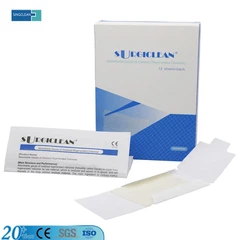
Many products help prevent post-surgical adhesions. These products act as barriers between organs while healing. They are used in belly, pelvic, and other surgeries. Some common types are: hyaluronic acid-based gels and membranes, carboxymethylcellulose films, icodextrin solutions, and bioresorbable polymers and hydrogels. One example is Singclean Adhesion Barrier Gel. This product uses sodium hyaluronate to make a safe, temporary barrier. It helps lower adhesions after surgery. It is easy to use and works in many types of abdominal surgery. For more information, visit Singclean Adhesion Barrier Gel.
|
Evaluation Criteria |
Description |
|---|---|
|
Product Efficacy |
Clinical trial results and real-world data show how well the gel prevents adhesions. |
|
Regulatory Approvals |
Certifications like FDA and CE make sure the products are safe and follow rules. |
|
Innovation & R&D |
New formulas and bioresorbable options make products work better. |
|
Manufacturing Capacity & Quality |
Good quality and following standards are important for reliable products. |
|
Pricing & Cost-effectiveness |
Good prices that match safety and results help products succeed. |
|
Customer Support & Training |
Technical support and training help users have a better experience. |
|
Global Presence & Distribution |
Companies with good shipping can reach more places. |
|
Reputation & Clinical Adoption |
Studies and surgeon choices show if products are trusted and work well. |
The market for adhesion prevention products is growing. New products use safe and biodegradable materials. These new ideas make products safer and easier to use in many surgeries.
When to Seek Treatment for Abdominal Adhesions
Most adhesions do not cause symptoms. Some people may get problems that need a doctor. Signs that need quick care are: nausea or vomiting, bad belly pain or cramps, constipation that will not go away, pain near the belly button every few minutes, and severe belly pain. If you have these signs, see a doctor right away. These symptoms may mean a blockage or other problems from adhesions. Early treatment can stop serious issues and lower health risks.
Doctors use imaging tests to find adhesions. MRI and ultrasound are the most accurate tests. CT scans are less accurate but can still help sometimes.
|
Diagnostic Method |
Accuracy (%) |
|---|---|
|
MRI |
79 - 90 |
|
Ultrasound |
76 - 100 |
|
CT Scan |
66 |
Treatment depends on the symptoms. Mild cases may only need watching and pain relief. Severe cases, like bowel obstruction, may need surgery or other treatments. Options are: medicines to lower secretions and swelling, prokinetic agents to help bowel movement, early movement, careful diet changes, and close watching for new or worse symptoms. Surgery can remove adhesions, but they can come back. The chance of adhesions returning after surgery can be as high as 21%. Doctors try not to do repeat surgeries unless needed.
Abdominal adhesions happen when scar tissue grows after surgery or injury in the belly. These adhesions can make you feel pain, bloated, or have trouble with your bowels. Noticing symptoms early can help stop bigger problems. The table below shows important facts about abdominal adhesions:
|
Key Points |
Description |
|---|---|
|
Mechanisms of Adhesion Formation |
Abdominal adhesions come from inflammation and fibrin forming. |
|
Surgical Techniques Impact |
Being careful during surgery helps lower adhesions. |
|
Prevention Strategies |
Using barriers and special solutions can help stop adhesions. |
Laparoscopic surgery in the belly lowers the chance of adhesions.
Surgeons should handle tissues gently and keep them moist.
If adhesions are not treated, they can cause blocked bowels, trouble having babies, or pain that does not go away.
Most surgeons think patients need to know about risks and ways to prevent adhesions.
You should always ask your doctor about how to prevent adhesions, especially if you had belly surgery before or have symptoms.
FAQ
What are the main symptoms of abdominal adhesions?
Abdominal adhesions might make your belly hurt or feel swollen. You could have trouble going to the bathroom. Some people do not notice any symptoms at all.
Can abdominal adhesions go away on their own?
Most adhesions do not disappear without help. They usually stay in your body unless a doctor takes them out during surgery.
How can I lower my risk of getting adhesions after surgery?
Talk to your doctor about using small cuts for surgery and special barrier products. Careful surgery and good healing can help lower your risk.