






For physicians managing knee osteoarthritis and distributors supplying orthopedic solutions, a common patient question arises: Can patients exercise after receiving viscosupplementation with hyaluronic acid? As a supplier of injectable orthopedic products, we address this question based on clinical evidence and best practice guidelines-helping you advise patients accurately and optimize treatment outcomes.
Understanding Viscosupplementation with Hyaluronic Acid
Viscosupplementation with hyaluronic acid refers to the intra-articular injection of hyaluronic acid (HA) preparations to supplement the natural synovial fluid. In osteoarthritic knees, the concentration and molecular weight of endogenous HA are reduced, compromising joint lubrication and shock absorption. Exogenous HA injections restore viscoelasticity, reduce pain, and improve mobility.
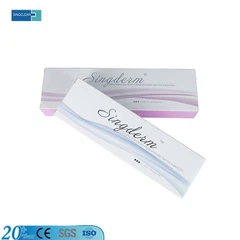
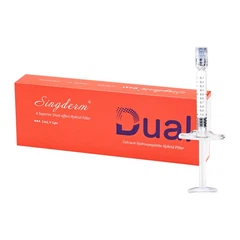
For clinicians, selecting a high-quality HA product is critical. Products like Singjoint Medical Sodium Hyaluronate for Bone Joint are designed to deliver consistent viscosity and prolonged residence time within the joint, supporting better clinical outcomes.
Key Benefits for Your Patients
From a clinical perspective, viscosupplementation with hyaluronic acid offers several advantages:
Pain reduction and improved joint function
Delayed disease progression in mild-to-moderate knee osteoarthritis
Minimally invasive office-based procedure with low complication rates
Potential to postpone knee replacement surgery
For distributors, these benefits translate into strong demand among orthopedic clinics, sports medicine centers, and pain management practices.
Can Patients Exercise After Viscosupplementation with Hyaluronic Acid?
This depends on multiple factors: the type of exercise, the patient's baseline osteoarthritis severity, and post-injection recovery status. Based on current medical consensus:
First 48–72 hours post-injection:
Avoid high-impact or strenuous activities (running, jumping, heavy squats, deep lunges)
Encourage rest and gentle range-of-motion exercises
Rationale: Allow the HA gel to distribute evenly within the joint space and minimize transient post-injection pain or effusion
After day 3 (symptom-dependent):
Low-impact aerobic exercises are safe and beneficial, including:
Walking
Stationary cycling
Swimming or water aerobics
Tai chi or gentle stretching
These activities enhance synovial fluid circulation, strengthen periarticular muscles, and stabilize the knee joint without excessive load
What to avoid (first 2–4 weeks):
High-impact loading (e.g., basketball, soccer, jogging on pavement)
Deep knee bends or full-weight squats
Prolonged kneeling or pivoting movements
Clinical Guidelines for Physicians to Share with Patients
When advising patients who have undergone viscosupplementation with hyaluronic acid, physicians and clinic staff can use the following evidence-based recommendations:
Start low, go slow – Begin with 10–15 minutes of walking or stationary cycling; increase duration gradually if no pain or swelling occurs.
Avoid pain as a guide – Mild soreness may be normal, but sharp or increasing joint pain warrants rest and clinical review.
Use support if needed – A soft knee brace during early exercise can improve proprioception and confidence.
Hydrate – Adequate hydration supports synovial fluid health and reduces joint inflammation.
Schedule a follow-up – Assess joint response at 2–4 weeks post-injection to determine readiness for higher activity levels.
Special Note for Distributors and Clinicians
When discussing product selection, emphasize that not all HA injections are equal. High-molecular-weight cross-linked formulations (such as Singjoint) typically offer longer intra-articular half-life and better mechanical protection during early rehabilitation. For distributors, stocking a reliable viscosupplement injection for orthopedics ensures that physician customers can achieve consistent clinical results and patient satisfaction.
Conclusion
To answer the clinical question: Yes, patients can exercise after viscosupplementation with hyaluronic acid-but with clear precautions. Low-impact activities are encouraged after an initial rest period, while high-impact loading should be avoided for several weeks. Distributors and physicians who understand these timelines can improve patient compliance and treatment success.
For more clinical data, product specifications, or wholesale inquiries regarding Medical Sodium Hyaluronate for Bone Joint, please contact our team. We are committed to supporting orthopedic practices and distributors with high-quality viscosupplementation products.
References
American Academy of Orthopaedic Surgeons. (2021). Viscosupplementation for Knee Osteoarthritis.
National Institute of Arthritis and Musculoskeletal and Skin Diseases. (2021). Osteoarthritis.
Zhang, W., et al. (2007). OARSI recommendations. Osteoarthritis and Cartilage, 15(9), 981-1000.