




What is cataract extraction surgery?
Cataract extraction surgery is a common type of eye surgery used to treat the symptoms and effects of a Cataract. Cataract is a disease in which the lens of the eye gradually becomes cloudy, resulting in blurred and diminished vision. The purpose of this procedure is to remove the clouded lens and replace it with an artificial lens to restore the patient's clear vision.
The steps of cataract removal surgery usually include the following major stages:
1. Anesthesia: Patients will usually receive local anesthesia before surgery to ensure that the surgical area is pain-free.
2. Incision: The eye surgeon will make a small incision in the cornea to access the lens area of the eye.
3. Lens removal: Doctors use a technique called phacoemulsification to break up the cloudy lens into small pieces and remove it.
4. Intraocular lens implantation: After removing the original lens, the doctor will place an intraocular lens in the eye. This artificial lens will replace the cloudy lens that has been removed and restore vision.
5. Suture or self-healing: In some cases, the doctor may need to close the incision, but modern surgery usually uses a self-healing incision and does not require suture.
This procedure is usually safe and effective, and most patients recover vision quickly after surgery. However, there may be some discomfort and recovery period after surgery, including eye pain, blurred vision, light sensitivity, etc., but these symptoms usually gradually diminish over a few days or weeks.
The main group of cataracts

Cataracts are a common eye condition that mainly occurs in older people, especially those 65 years of age and older. However, in addition to age, there are other factors that may also increase the risk of cataracts. Here are some possible high risk groups:
1. Older adults: Age is the most important risk factor for cataracts. As we age, the lens gradually becomes cloudy, leading to cataracts.
2. Genetic factors: Individuals with a personal family history of cases of cataracts may be more likely to develop cataracts, suggesting that genetic factors may play a role in their onset.
3. Prolonged exposure to UV rays: Prolonged exposure to UV rays, especially without proper eye protection, may increase the risk of cataracts. This may be related to the denaturation of lens proteins caused by ultraviolet light.
4. Smoking: There is a correlation between smoking and the incidence of cataracts. Smoking may increase the risk of cataracts, especially if done for a longer period of time.
5. Diabetes: People with diabetes may be more likely to develop diabetic cataracts. High blood sugar levels can cause protein degeneration in the lens, which can lead to cataracts.
6. Long-term use of steroid medications: Long-term use of steroid medications, especially steroid eye drops used in the eyes, may increase the risk of cataracts.
7. Eye trauma or surgery: Severe eye trauma or surgery can lead to the development of cataracts, especially if the trauma has a direct impact on the lens.
8. Radiation therapy for tumors: People who have been treated with radiation therapy for the head and neck or eyes may be at higher risk for cataracts.
9. Environmental factors: Long-term exposure to environmental factors such as pollutants, chemicals and harmful substances may increase the risk of developing cataracts.
It is important to note that even individuals with a high incidence of cataracts do not always develop cataracts, and other conditions may also occur. The best course of action is to maintain a healthy lifestyle, avoid risk factors and have regular eye health checkups so that any potential problems can be detected and treated early.
Current status and challenges of cataract extraction
1. Access to surgery: Although cataract removal can be performed in many areas, in some poor or remote areas, access to surgical equipment, medical resources, and specialized ophthalmologists is still an issue. Ensuring that all patients who need surgery have access to timely treatment remains a challenge.
2. Cost of surgery: The cost of cataract removal surgery may remain high for patients in some areas, especially when a high-quality intraocular lens is required. This can make surgery unaffordable for some patients, affecting their ability to access treatment.
3. Technological advancements: Although modern cataract removal surgery technology is very mature, there are still some technical challenges that need to be addressed, such as more accurate intraocular lens selection and improved visual quality after surgery.
4. Postoperative complications: Although the complication rate of cataract extraction is relatively low, some complications such as infection and corneal edema may still occur. Improving surgical techniques to reduce the risk of complications remains an important research direction.
5. Individualized treatment: The patient's eye shape, corneal curvature and other factors may affect the outcome of surgery. The development of more individualized surgical protocols and intraocular lens selection to meet the needs of different patients is a worthwhile direction to explore.
The solution for the damage of cataract extraction
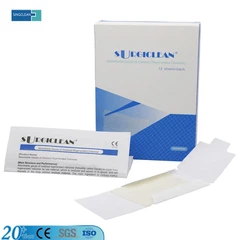
Mechanical damage induced by surgery instruments is one of the damages may caused during the cataract extraction surgery. For solving this problem for cataract extraction surgery, I’d like to introduce Singclean® sodium hyaluronate ovd to you.

Singclean® sodium hyaluronate OVD is a colorless and transparent gel, composed of highly purified sodium hyaluronate dissolved in buffered saline. This product can protect tissue from mechanical damage induced by surgery instruments, through shock absorption and cell layer lubrication.
Due to its high viscoelastic properties, high purity and high transparence, Singclean® helps maintaining good surgical views and is an ideal viscoelastic solution for ophthalmic surgery.
We supply the concentration of 15mg/ml and volumes of 0.5ml, 0.75ml, 1.0ml, 2.0m.
What’s more, we got CE 2460 certification for this product, so the quality is certified.
For more details of Singclean® sodium hyaluronate OVD, please check the link below.


Singclean® Sodium Hyaluronate Ovd
The development prospect of cataract extraction surgery
More precise and personalized surgical planning: With advances in ophthalmic medicine technology, more precise and personalized surgical planning methods are likely to emerge in the future. By using advanced image diagnostic technology and artificial intelligence, doctors can more accurately assess a patient's eye condition and develop a surgical plan that is more tailored to the individual's needs.
Further use of laser and minimally invasive techniques: The use of laser technology in cataract surgery is likely to continue to expand. Lasers can be used to create incisions more precisely, soften the lens, and even perform tissue repair. Minimally invasive techniques will also receive more attention, which can reduce surgical trauma and shorten recovery time.
More advanced intraocular lens technology: The technology of intraocular lenses will continue to improve to meet the needs of different patients. In the future, more types of intraocular lenses may become available, including better multi-focus and astigmatism correction options to help patients better restore full vision.
Applications of virtual and augmented reality: Virtual reality (VR) and augmented reality (AR) technologies can play a role in medical training, surgical planning, and patient education. Doctors can use these technologies to simulate surgical procedures, demonstrate procedures, and train new ophthalmologists.
Telemedicine and e-health: The development of telemedicine and e-health technologies will help to better monitor patients' post-surgical recovery process. Patients can communicate with their doctors via mobile apps or online platforms to report their symptoms and progress for more timely medical advice and guidance.
Gene therapy and stem cell research: Although still in the experimental stage, gene therapy and stem cell research may lead to breakthroughs in the field of cataract treatment. These techniques may help repair and restore damaged lens cells and improve surgical success.
In general, with the continuous development of medical technology, the field of cataract removal surgery is expected to make greater breakthroughs in accuracy, safety and effectiveness, providing patients with better vision recovery and eye health care. However, these developments may take time to validate and implement, subject to rigorous scientific research and clinical trials.
Conclusion
Cataract removal surgery is a common eye procedure used to treat cataracts, a condition in which the lens becomes cloudy and reduces vision. Cataract removal surgery is generally safe and effective, and many people experience significant improvements in vision and quality of life as a result of this procedure. However, a detailed consultation with a professional ophthalmologist should be conducted before surgery to understand the type of surgery that is right for you and what to look out for.


