







You can use the mau tester to check your kidneys. It measures microalbumin in your urine. Many people have chronic kidney disease. Early detection of kidney disease saves lives. Look at the facts below:
| Evidence Type | Description |
|---|---|
| Prevalence | CKD affects almost 850 million people worldwide. |
| Impact | Early detection can stop up to 15 million deaths. |
Kidney function tests like glomerular filtration rate help find problems early. Self-testing with the mau tester helps people at risk.
Key Takeaways
The MAU tester finds early signs of kidney damage. It does this by checking for microalbumin in urine. Finding problems early can save lives. It can also stop serious health problems.
People at risk should use the MAU tester often. This includes people with diabetes or high blood pressure. Try to test every 3 to 6 months. This helps you watch your kidney health.
Knowing your MAU tester results helps you act fast. If you see microalbuminuria, talk to your doctor. Your doctor can do more tests and help you manage your health.

MAU Tester for Kidney Health
How MAU Tester Works
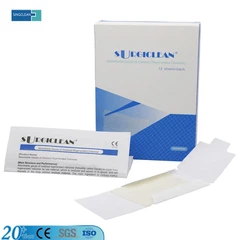
The mau tester helps you find kidney problems early. The Singclean mau tester is a top choice. It checks for microalbumin in your urine. You get results fast with this test. You do not need special tools or training. The mau tester comes in different types. You can pick strips, cassettes, or midstream tests. Each type makes self-testing simple and easy.
Benefits of Non-Invasive Testing
You do not need a blood sample for this test. You only need a little urine. The mau tester for kidney health is quick and does not hurt. You can use it at home or at a clinic. The test is accurate and has ISO certification. You can check your kidney health over time. Doctors say you should repeat the microalbumin creatinine ratio test every 3-6 months if you are at risk for chronic kidney disease. Finding kidney damage early helps you stop more problems. Screening saves money and helps people with ckd do better.
Who Should Use MAU Tester
Doctors say people with diabetes, hypertension, or metabolic syndrome should use the microalbumin creatinine ratio test. You should use the test if you want to find kidney problems early or if you are at risk for chronic kidney disease. Here is a table that shows who should use the mau tester:
| Patient Population | Recommendation |
|---|---|
| People with diabetes | Annual screening for microalbumin |
| People with hypertension | Annual screening for microalbumin, every 6 months in first year |
| Metabolic syndrome | Screening as part of hypertension management |
You can use the mau tester to check for kidney damage and disease. Regular testing helps you take care of ckd and keep your kidneys healthy.
Early Kidney Disease Detection with MAU Tester
Microalbumin and Early Kidney Damage Detection
You can use the mau tester to check for early kidney damage. This test looks for microalbumin in your urine. Microalbumin is a tiny protein that leaks out when kidneys get hurt. People with diabetes or high blood pressure have a higher chance of kidney problems. Microalbuminuria is an early warning sign. It means your kidneys and blood vessels are under stress. You might not feel sick at first, but the damage can get worse over time.
Microalbuminuria raises your risk for kidney and heart problems.
It can show up even if your blood pressure is just a little high.
Finding it early helps you slow or stop kidney disease.
Doctors use the mau tester to find microalbumin before you feel sick. This lets you take steps early. If you already have chronic kidney disease, regular testing helps you watch your kidney health and spot new problems. The test is easy and does not hurt. You only need a small urine sample. You can use the mau tester at home or at a clinic.
Interpreting MAU Tester Results
When you use the mau tester, you get results that show how much microalbumin is in your urine. Knowing what the results mean helps you understand your kidney health. The test can show normal levels, early kidney damage, or more serious problems. Check the table below to see what your results mean:
| Category | Spot Collection | Timed Collection | 24-h Collection |
|---|---|---|---|
| Normal | Less than 30 μg/mg creatinine | Less than 20 μg/min | Less than 30 mg |
| Microalbuminuria | 30-300 μg/mg creatinine | 20-200 μg/min | 30-300 mg |
| Clinical albuminuria | More than 300 μg/mg creatinine | More than 200 μg/min | More than 300 mg |
If your result shows microalbuminuria, you may have early kidney damage. A positive microalbumin result means your kidneys are leaking protein. This can happen if you have chronic kidney disease, diabetes, or high blood pressure. You should check your kidneys often if you are at risk. Symptoms like swelling, tiredness, or changes in urine may come later. The mau tester helps you find problems before you feel sick.
Sometimes, the test can be wrong. This can happen if you are dehydrated, have a fever, or just finished hard exercise. Diluted urine can also change the results. If you get a positive microalbumin result, you should repeat the test to make sure it is right.
Next Steps After Testing
If your mau tester result is not normal, you need to do something. Knowing what your results mean helps you decide what to do next. You should talk to your doctor if your urine albumin-creatinine ratio is high. Your doctor may order more tests to check your kidneys. These tests can include:
Estimated glomerular filtration rate (gfr)
Imaging tests like ultrasound
Kidney biopsy
Your doctor may also tell you to change your habits or take medicine to protect your kidneys. Taking action early can stop more damage and help you manage chronic kidney disease. You should keep checking your kidneys with regular tests. If you have ckd, you need to check your kidneys every few months. This helps you catch new problems early and avoid serious kidney disease.
If you have diabetes, high blood pressure, or other kidney problems, you should use the mau tester for regular checks. This helps you find kidney damage before you feel sick. People who use the mau tester to watch their kidneys do better. They can avoid serious disease and live healthier lives.
You can keep your kidneys safe by using the MAU tester often. Studies show the antigen-antibody method works well for this test. It finds kidney problems 88% of the time. It is right about healthy kidneys 80.1% of the time:
| Method | Sensitivity | Specificity |
|---|---|---|
| Antigen-antibody method via ICHROMA | 88% | 80.1% |
Finding problems early with this test helps you stay healthy.
Checking your kidneys often helps you take care of them and make good choices.
FAQ
How often should you check kidney function with the MAU Tester?
You should check kidney function every three to six months. Regular testing helps you track changes and catch problems early. Doctors recommend frequent checks for people at risk.
What does a low gfr mean for kidney health?
A low gfr shows your kidney function is not normal. You may have early kidney damage. You should talk to your doctor and ask about more tests for kidney health.
Can you use the MAU Tester if you already have kidney disease?
You can use the MAU Tester to monitor kidney function. It helps you see changes in gfr and track your kidney health. Regular testing supports better management of kidney disease.