



Hey there! As a supplier in the hemostasia field, I've spent a ton of time diving deep into how the body stops bleeding and the role different components play. One of the key players in this whole process? Blood vessels. Let's take a closer look at what they do in hemostasia.
Initial Vascular Spasm
When a blood vessel gets injured, the first thing that happens is a vascular spasm. It's like the body's emergency brake system. The smooth muscle in the walls of the blood vessel contracts really fast. This contraction narrows the vessel, which helps to reduce the blood flow to the damaged area. Think of it as trying to slow down the flow of water from a leaky pipe by squeezing the pipe.
This spasm is triggered by a few things. For starters, the direct injury to the blood vessel wall stimulates the smooth muscle cells to contract. Also, chemicals released by the damaged cells and platelets, like serotonin, can cause the blood vessel to constrict. This initial response is super important because it buys the body some time to start the more complex processes of forming a blood clot.
Platelet Plug Formation
Once the blood vessel has constricted, platelets come into play. Platelets are these tiny cell fragments in the blood that are like little repair workers. When they come into contact with the exposed collagen in the damaged blood vessel wall, they get activated.
Activated platelets change their shape from small discs to these spiky, sticky balls. They start to stick to the damaged area and to each other, forming a platelet plug. This plug acts as a temporary seal to stop the bleeding. It's not a perfect seal, but it's a crucial first step.
The blood vessel wall also plays a role in this process. It releases substances that help to attract and activate more platelets. And as the platelet plug starts to form, it releases chemicals that further promote vasoconstriction, keeping the blood vessel narrowed and reducing blood flow.
Coagulation Cascade
The next stage is the coagulation cascade, which is like a complex domino effect. This is where the blood turns from a liquid to a solid clot. There are two pathways in the coagulation cascade: the intrinsic pathway and the extrinsic pathway.
The extrinsic pathway is triggered when tissue factor, a protein, is released by the damaged blood vessel wall and surrounding tissues. This starts a series of chemical reactions that lead to the activation of clotting factors. The intrinsic pathway, on the other hand, is activated when blood comes into contact with certain substances in the damaged blood vessel wall, like collagen.

Both pathways eventually converge at a point where they activate factor X, which then leads to the formation of thrombin. Thrombin is a key enzyme that converts fibrinogen, a soluble protein in the blood, into fibrin. Fibrin forms a mesh-like structure that traps red blood cells and platelets, creating a more stable blood clot.
The blood vessel wall is involved in regulating this process. It produces substances like tissue factor pathway inhibitor (TFPI) and antithrombin III, which help to control the coagulation cascade and prevent the clot from growing too large or forming in the wrong place.
Fibrinolysis
Once the damaged blood vessel has been repaired, the body needs to break down the blood clot. This process is called fibrinolysis. The blood vessel wall plays a role here too. It produces tissue plasminogen activator (tPA), which converts plasminogen, a protein in the blood, into plasmin. Plasmin is an enzyme that breaks down the fibrin mesh in the blood clot, dissolving the clot and restoring normal blood flow.
Our Products for Hemostasis
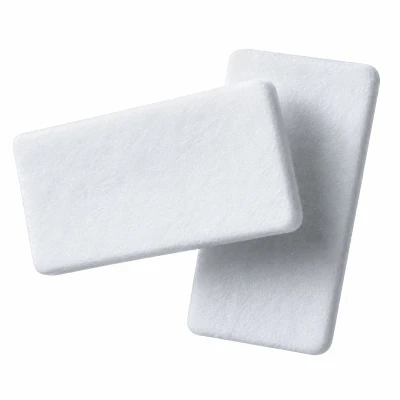
At our company, we understand the importance of all these processes in hemostasia. That's why we offer a range of products to help with stopping bleeding. One of our top products is the Surgiclean Absorbable Gauze To Stop Bleeding. This gauze is made of Oxidized Regenerated Cellulose, which is a great material for promoting hemostasis.
It works by absorbing water from blood to slow blood flow and combining with iron ions to seal the wound. Also, it accelerates endogenous
coagulation and lower local pH, adsorb and aggregating platelets, activate platelets to form thrombus.
We also have Absorbable Surgical Dressing, which is another great option for controlling bleeding during surgical procedures. It can be used in a variety of situations and is designed to be gentle on the blood vessels and tissues.

Contact Us for Procurement
If you're in the market for high-quality hemostasia products, we'd love to hear from you. Whether you're a hospital, a surgical center, or a medical supplier, our products can help you manage bleeding effectively. We offer competitive prices, excellent customer service, and fast delivery.
Don't hesitate to reach out to us to discuss your procurement needs. We're here to help you find the best solutions for your patients and your practice.
References
- Guyton and Hall Textbook of Medical Physiology.
- Robbins and Cotran Pathologic Basis of Disease.
- Harrison's Principles of Internal Medicine.