
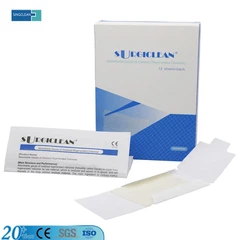





Before discussing age restrictions, it's essential to understand what BV is. Bacterial vaginosis is a common vaginal infection caused by an imbalance in the bacteria that naturally live in the vagina. A healthy vagina contains a balance of "good" and "bad" bacteria. When this balance is disrupted, the "bad" bacteria can multiply, leading to BV. Symptoms of BV may include a thin, grayish-white vaginal discharge, a fishy odor, and itching or irritation.
General Age Considerations
There is no strict, one-size-fits-all age restriction for using a BV test kit. However, several factors related to age influence the appropriateness of using these kits.
Adolescents (12–18 Years Old)
Adolescence is a time of significant physical and hormonal changes. For young girls in this age group, the vaginal environment is still maturing. The onset of menstruation and hormonal fluctuations can affect the vaginal flora.
Some adolescents may be at risk of developing BV, especially if they are sexually active. However, it's important to note that using a BV test kit in this age group should be done under the guidance of a healthcare provider. Parents or guardians should be involved in the decision-making process.
In many cases, healthcare providers may prefer to perform a clinical examination rather than relying solely on a self-test. This is because the adolescent's vaginal anatomy is still developing, and improper use of a test kit could potentially cause discomfort or injury. However, if a healthcare provider deems it appropriate, an adolescent can use a BV test kit such as the QuickClean BV Test Kit. This test is designed to be user-friendly, but proper instructions must be followed carefully.
Young Adults (18–30 Years Old)
This age group is generally more likely to be sexually active, which increases the risk of developing BV. Young adults are also more likely to be independent in managing their health and may find self-testing with a BV test kit a convenient option.
The QuickClean BV Test Kit is a popular choice among young adults. It allows them to quickly and privately check for the presence of BV. However, it's important to remember that a positive test result should still be followed up with a healthcare provider for confirmation and appropriate treatment.
Middle-Aged Women (30–50 Years Old)
As women age, hormonal changes continue to occur. The decrease in estrogen levels during perimenopause and menopause can affect the vaginal environment, making women more susceptible to BV.
Middle-aged women may find BV test kits useful for monitoring their vaginal health. The QuickClean BV Test Kit can provide a convenient way to detect early signs of BV. Regular self-testing can help women take proactive steps in maintaining their vaginal health.
Older Women (50+ Years Old)
After menopause, the vaginal tissue becomes thinner and less elastic, and the natural lubrication decreases. These changes can make the vagina more vulnerable to infections, including BV.
Older women can benefit from using BV test kits to detect BV early. However, they may also need to be more cautious when using the test due to the delicate nature of their vaginal tissue. It's advisable to consult a healthcare provider before using a test kit, especially if they have any pre-existing medical conditions.
Factors Influencing Age-Based Use
In addition to age, several other factors can influence whether a woman should use a BV test kit.
Sexual Activity
Sexual activity is a significant risk factor for BV. Women who are sexually active, regardless of age, are more likely to develop BV. If a woman is sexually active and experiences symptoms such as abnormal discharge or odor, using a BV test kit can be a useful first step in determining if BV is the cause.
Hormonal Changes
Hormonal changes, such as those during pregnancy, menstruation, or menopause, can disrupt the vaginal flora and increase the risk of BV. Women experiencing these hormonal changes may find BV test kits helpful in monitoring their vaginal health.
Medical History
Women with a history of BV or other vaginal infections may be more likely to develop BV again. These women may benefit from regular self-testing with a BV test kit to detect early signs of recurrence.
Importance of Professional Guidance
While BV test kits can be a valuable tool for women to monitor their vaginal health, it's important to emphasize that they are not a substitute for professional medical advice. A positive test result should always be followed up with a healthcare provider.
Healthcare providers can provide a more accurate diagnosis, recommend appropriate treatment, and offer advice on preventing future infections. They can also help women understand the limitations of self-testing and ensure that the test is used correctly.
Conclusion
In conclusion, there is no strict age restriction for using a BV test kit. However, age, along with other factors such as sexual activity, hormonal changes, and medical history, should be considered when deciding whether to use a test kit.
For adolescents, parental and healthcare provider guidance is crucial. Young adults, middle-aged women, and older women can benefit from using BV test kits, but they should always follow up with a healthcare provider if they get a positive result.
If you are interested in purchasing our high-quality BV test kits for your healthcare facility, pharmacy, or personal use, we invite you to contact us for a purchase negotiation. We are committed to providing reliable and accurate diagnostic products to help women take control of their vaginal health.
References
Centers for Disease Control and Prevention. (2023). Bacterial Vaginosis. Retrieved from the official CDC website.
American College of Obstetricians and Gynecologists. (2023). Vaginal Infections. Retrieved from the official ACOG website.